Skipping commercial cleaning can shift time, supplies and catch-up work onto your team. Running a business in Grand Rapids requires attention to countless details—customer experience, employee productivity, marketing, and of course, maintaining a clean and safe workplace. Yet, many businesses underestimate or skip out on regular commercial cleaning, not realizing the hidden costs that can quietly damage their bottom line.
At Champion Facility Solutions, we review the building, its use and the work needed before recommending a cleaning scope. This article uncovers the hidden costs you face when skipping commercial cleaning and why investing in a reliable cleaning service pays off in the long run.
1. Presentation concerns when skipping commercial cleaning
Your business’s physical environment speaks volumes to customers and clients. A clean, well-maintained space creates a positive first impression, while dirty or cluttered facilities can drive people away.
- Clients notice dirt and odors—leading to doubts about your professionalism and care.
- Negative reviews often mention cleanliness as a key factor in customer satisfaction.
- Word-of-mouth spreads quickly in Grand Rapids communities, so poor cleanliness can hurt your reputation far beyond your walls.
Regular commercial cleaning signals that you value quality and customer experience.
2. Reduced Employee Productivity and Morale
The cleanliness of your workplace directly impacts your team’s ability to perform well.
- Staff may spend time addressing missed cleaning tasks or reporting recurring concerns.
- Cluttered or dirty environments create distractions and reduce focus.
- Employees feel more motivated and respected when their workspace is clean.
Review staff concerns and time spent on cleaning tasks before changing the service schedule.
3. Health and Safety Risks
Shared areas need a clear cleaning plan and a process for reporting emerging concerns.
- Restrooms, kitchens and breakrooms need tasks and frequencies matched to their use.
- Slippery floors, clutter, and debris increase the risk of accidents and injuries.
- Specialist settings should define their own applicable procedures and approved service scope.
Agree on the tasks a provider will complete alongside your own inspection, maintenance and specialist procedures.
4. Catch-up work after skipping commercial cleaning
Dirt, grime, and neglect accelerate wear and tear on your building’s surfaces and equipment.
- Carpets, flooring, walls, and fixtures degrade faster without regular cleaning.
- Equipment and HVAC maintenance require their own assessed scope and appropriate specialists.
- Ignoring spills and stains can lead to permanent damage requiring costly repairs or replacements.
Plan surface care alongside routine cleaning and assess maintenance concerns when they arise.
5. Higher Turnover and Hiring Costs
A dirty workplace can contribute to employee dissatisfaction and turnover.
- Job seekers prioritize companies with safe, pleasant, and well-maintained environments.
- Employees may leave if they feel their health or comfort is compromised.
- High turnover means more time and money spent recruiting and training new staff.
Keeping your business clean supports employee retention and reduces HR costs.
6. Missed Business Opportunities
Cleanliness often influences decision-makers and visitors on critical business days.
- Potential clients or partners may visit your office and form judgments instantly.
- Event spaces, showrooms, and retail stores must look their best to close sales or host gatherings.
- A spotless facility helps your business stand out from competitors.
Skipping cleaning risks losing valuable deals and opportunities.
7. Environmental Impact and Community Perception
Businesses that neglect cleanliness may also miss out on sustainable practices.
- Ask for specific product information and discuss procurement preferences before agreeing on the scope.
- A clean, green business shows responsibility and care for the community.
- Customers and partners increasingly prefer companies committed to sustainability.
Investing in commercial cleaning helps your business be a positive force in Grand Rapids.
Why Choose Champion Facility Solutions for Your Grand Rapids Business?
Champion Facility Solutions offers comprehensive commercial cleaning solutions tailored to Grand Rapids businesses:
- Flexible scheduling, including after-hours and weekends
- Discuss site preparation, staffing and required procurement documents
- Green cleaning options to support your sustainability goals
- A written proposal with agreed inclusions and exclusions
- A defined contact route for service concerns
We partner with you to create a clean, healthy, and inviting environment that supports your business success.
Final Thoughts
The hidden costs of skipping commercial cleaning can quietly undermine your Grand Rapids business—from damaged reputation and employee issues to costly repairs and lost opportunities.
Don’t let cleaning become an afterthought. Invest in professional commercial cleaning with Champion Facility Solutions to protect your brand, boost productivity, and keep your workspace safe and inviting.
Ready to Protect Your Business?
To discuss the scope, contact Champion Facility Solutions today for a free consultation and discover how our commercial cleaning services in Grand Rapids can help your business thrive.
Make the cost of skipping commercial cleaning visible
Skipping commercial cleaning may appear to save a scheduled invoice while shifting work elsewhere in the business. To understand that tradeoff, record what staff actually do when the normal routine is reduced. Include time spent finding supplies, emptying overflowing bins, preparing meeting rooms and arranging urgent cleanup. Keep the record factual. There is no universal savings figure or guaranteed loss for every building, and an observation log is more useful than assigning an invented dollar amount to a dirty floor.
Record employee time spent covering missed tasks
Ask each department which cleaning tasks staff handle during an ordinary week. Note the task, approximate time and reason it was needed. Skipping commercial cleaning can create an unclear arrangement in which several people assume someone else is responsible. Compare that record with a defined recurring scope. The purpose is to see where work has moved, not to assume all in-house cleaning is ineffective. Some facilities deliberately retain selected tasks and contract out others with clear responsibilities.
Separate routine work from catch-up projects
If a room has missed regular attention, ask the provider whether it needs an initial project before routine service resumes. Describe that work separately in the quote. Skipping commercial cleaning does not mean every surface requires restoration, but an assessment can identify what has accumulated and what can be handled within normal visits. Compare the proposed initial work with the recurring tasks so you understand the total scope. Keep optional carpet treatment or floor maintenance visible rather than buried in a monthly figure.
Track supply interruptions
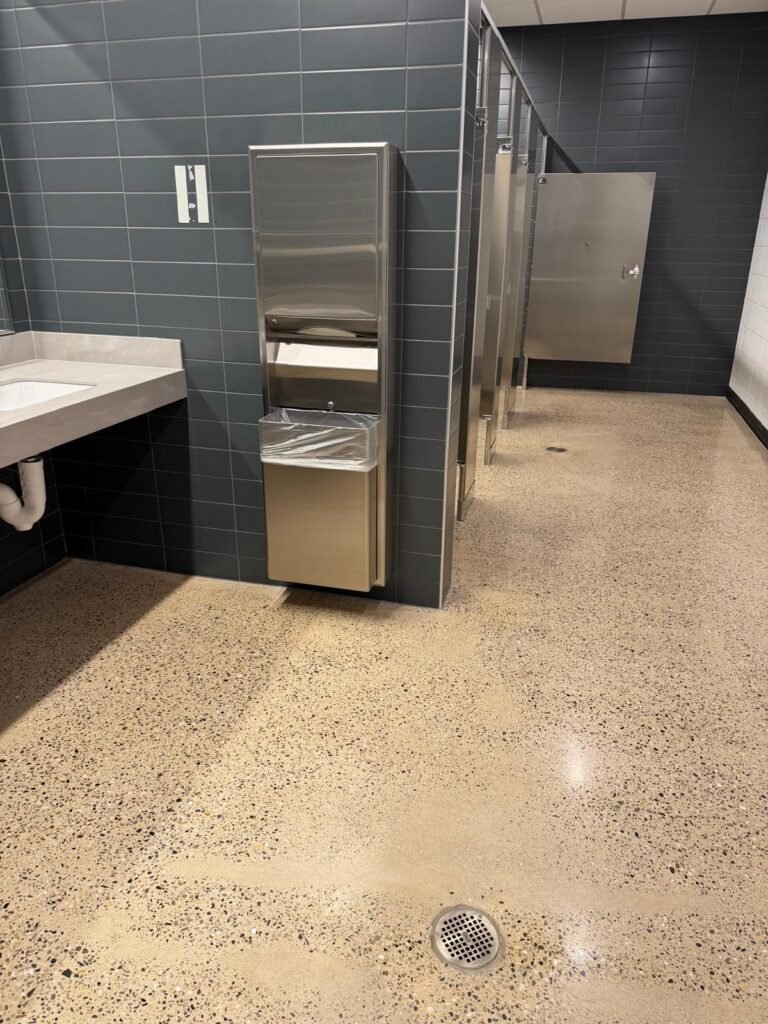
A restroom without soap or paper towels needs a supply response even if the surfaces were cleaned recently. Review who purchases consumables, where stock is stored and who notices shortages. Skipping commercial cleaning visits may also remove a scheduled restocking check, depending on the agreement. Give that responsibility a named owner before changing the calendar. Record repeated shortages and adjust the stock review accordingly instead of assuming that a larger delivery alone will resolve every interruption.
Inspect high-traffic areas at useful times
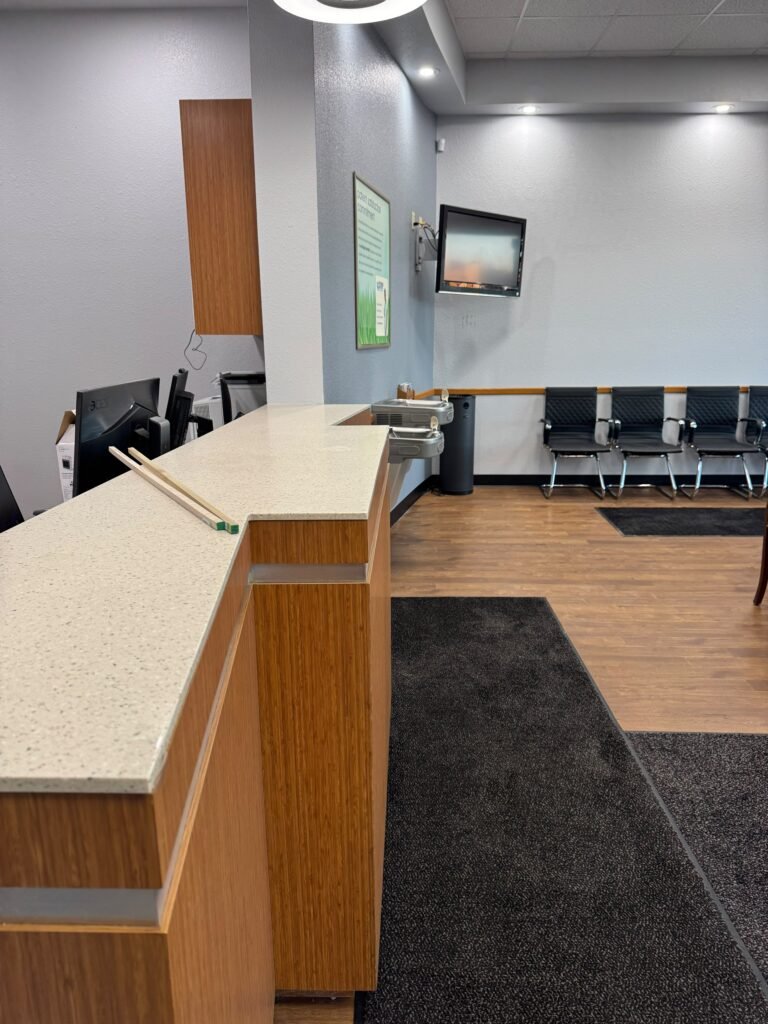
Look at reception after the arrival rush, shared kitchens after lunch and employee restrooms near shift changes. These observations help identify where skipping commercial cleaning has the greatest practical effect. A room that looks acceptable at opening may be difficult to use later in the day. Discuss whether a revised visit time, a focused interim check or day porter support would address the need. The right answer depends on the building rather than a fixed number of visits.
Reduce the budget by changing the scope carefully
When the budget is tight, begin with a room-by-room review. Keep the tasks your facility needs and discuss whether lower-use areas can be serviced less often. Skipping commercial cleaning across the whole building is only one possible change and may remove attention from busy shared spaces. Ask for alternatives with a revised task list, schedule and price. This allows purchasing staff to compare what each option actually delivers instead of selecting a lower figure without knowing what has been removed.
Our commercial cleaning cost guide explains the role of scope, frequency, supplies and access in a proposal. Use the same assumptions when comparing providers. If a quote includes periodic floor work, keep that line separate from daily or weekly tasks. Skipping commercial cleaning should not be evaluated against a proposal that covers a different building area or an entirely different level of service. Clarify those differences before deciding whether the change meets your needs.
A practical review for a Grand Rapids property
Start with a floor plan or room list, normal occupancy and opening hours. Walk the property with the person who reports cleaning concerns, not only the person who approves invoices. Ask what changes they have seen since skipping commercial cleaning or reducing visits. Identify visible concerns, missed supply checks and access problems. Keep maintenance defects separate. A leak, broken fixture or damaged floor needs the appropriate building response and should not simply be added to a cleaner’s task list.
Next, ask the provider to describe a workable recurring schedule and any initial work needed. Check whether the proposal addresses the concerns recorded in your review. Agree on a contact process and a review date after normal operating days. If skipping commercial cleaning was intended to free staff time or reduce spending, compare the revised arrangement with those specific objectives. Keep the assessment practical and avoid treating cleanliness alone as proof of a particular business or financial outcome.
Questions about skipping commercial cleaning
Will fewer visits always lower our total costs?
A lower contract price does not describe every effect on the building. Review staff time, supplies, separately arranged projects and the tasks retained in-house. Skipping commercial cleaning may work differently for a quiet office and a busy multi-shift facility. Compare the full arrangement and inspect the result after an agreed period. Use your own records rather than relying on a claimed percentage saving that has not been calculated for the property.
Which areas should we review first?
Start with the spaces that people use most: entrances, shared kitchens, restrooms and frequently occupied rooms. The appropriate priorities depend on your operations and site procedures. Review our restroom cleaning checklist and warehouse cleaning checklist for planning questions. Skipping commercial cleaning in one room does not remove the need to report emerging issues or maintain the employer’s own inspection and maintenance arrangements.
Does a cleaning contract guarantee compliance?
No general article or standard janitorial contract should be treated as a guarantee that every site requirement has been met. Define the applicable procedures with the responsible people at your facility and discuss the provider’s assessed scope. For general workplace surface context, refer to OSHA’s walking-working surface requirements. Cleaning tasks should support the site’s housekeeping arrangements while specialist procedures and maintenance responsibilities remain clearly assigned.