A warehouse cleaning checklist should fit the way your building operates. A tidy office does not tell you whether the receiving area is collecting packaging scraps, the breakroom needs another visit or accessible floor areas are getting missed between shifts.
For warehouse and distribution managers in Battle Creek, Grand Rapids and nearby communities, the goal is a clear record of what gets cleaned, when it happens and who is responsible. Use these nine checks as a starting point, then adapt them to your traffic, surfaces and site procedures.
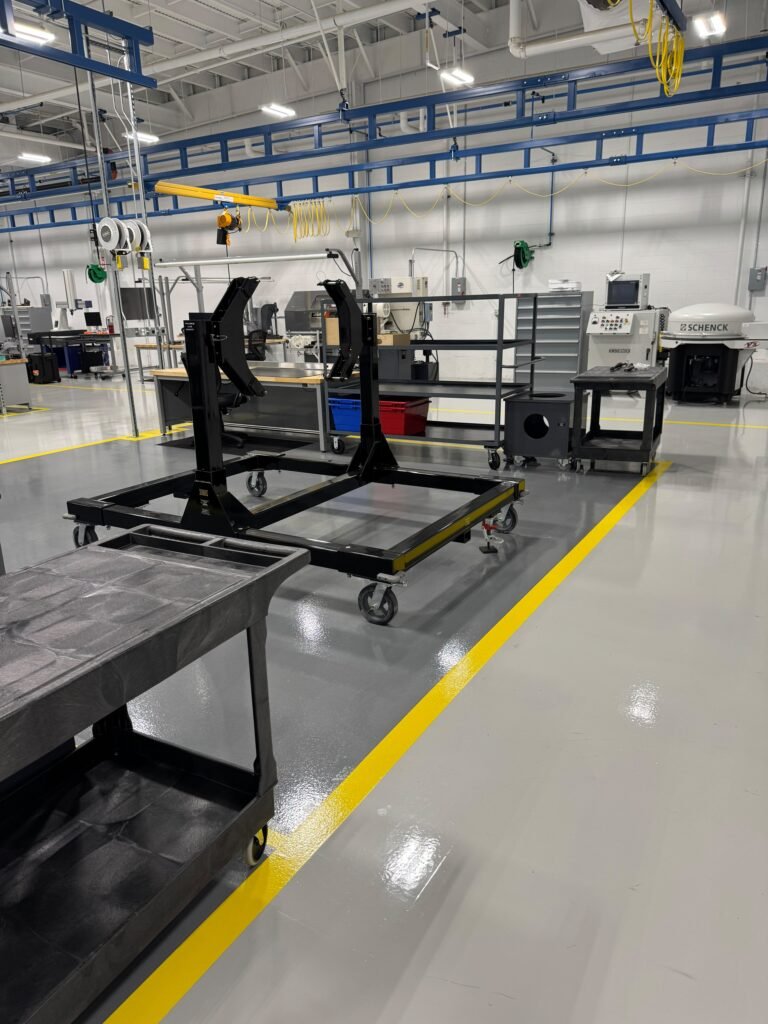
Build a warehouse cleaning checklist around zones
Walk the facility with someone who understands shipping activity, employee use and restricted areas. Divide it into practical cleaning zones: entrances, accessible aisles, receiving areas, dispatch offices, restrooms, breakrooms and agreed storage areas.
Record the task, frequency, responsible person and access window for each zone. Avoid a single instruction such as “clean warehouse.” It leaves too much room for different interpretations. Our warehouse cleaning services page explains how floor care and employee-area cleaning can be scoped together.
1. Check entrances and walkways during operating hours
Look for tracked-in moisture, loose debris, displaced mats and items that obstruct walkways. Assign an on-site person to report and address emerging hazards under your facility procedures. Issues during a shift cannot always wait for an evening cleaning visit.
For context, OSHA’s walking-working surface requirements address clean, orderly surfaces and the correction or guarding of hazardous conditions. A cleaning checklist supports housekeeping routines; it does not replace the employer’s inspection and safety responsibilities.
2. Remove ordinary packaging waste from agreed areas
Cardboard fragments, stretch wrap and damaged packaging can accumulate around receiving and packing stations. Define the bins and collection points included in the cleaning scope, along with the route to the designated disposal area.
Agree on how full or damaged bins are reported. Keep ordinary waste collection separate from hazardous waste, unknown residues and materials requiring specialist handling. Those need the site’s approved procedures and an explicitly assessed scope.
3. Review accessible warehouse floors
Identify which aisles and open areas can be cleaned safely within the available window. Remove loose debris before a suitable floor-cleaning method is used. Coordinate with the site contact so cleaning does not conflict with forklifts, deliveries or pedestrian traffic.
Floor scrubbing frequency should reflect soil buildup and floor condition. Confirm the surface material, coating, products and drying arrangements before work starts. Marking every floor for the same treatment can create problems, particularly where coatings or surface damage need separate attention.
4. Define loading dock and receiving access
Loading areas need coordination with operations. List the accessible surfaces included, the periods when vehicles or equipment are absent and the person who confirms that cleaning can begin.
A planned service window is more useful than a vague instruction to work around deliveries. If the agreed area is blocked, record it and arrange the next step with the site contact. Do not let missed access disappear from the service record.
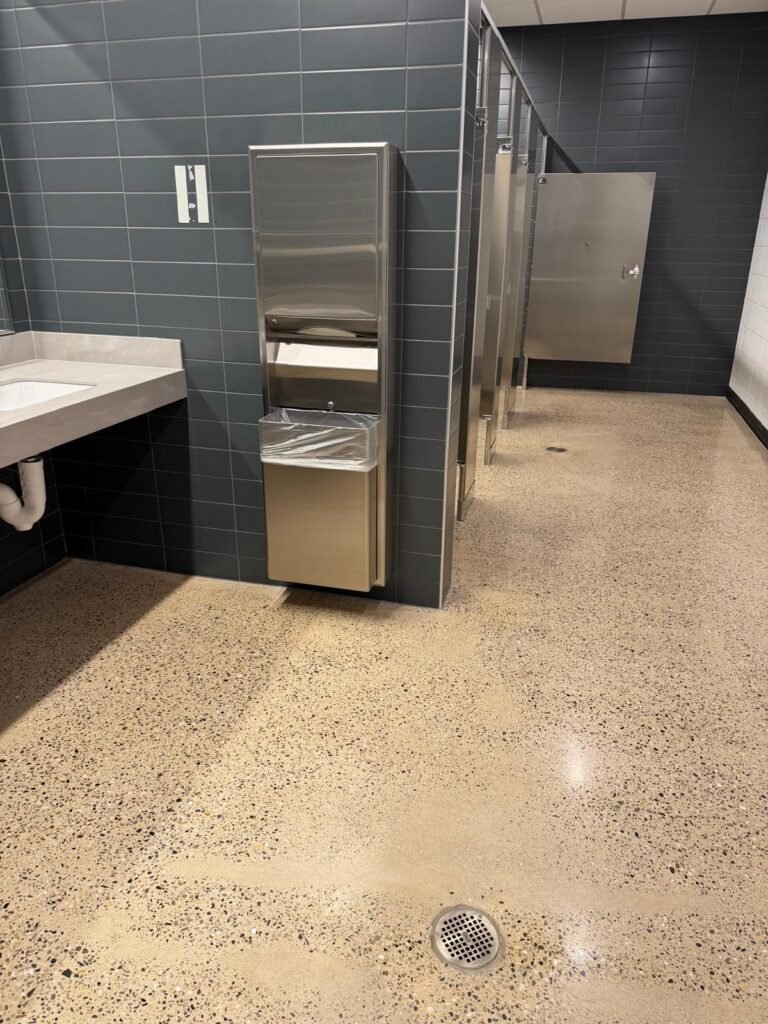
5. Match restroom cleaning to actual staff use
Review restroom condition across shifts rather than judging it only before the first team arrives. Cleaning and restocking needs can rise sharply when employees share the same facilities during changeovers.
Record cleaning tasks, supply checks and who purchases consumables. If one scheduled visit does not cover the site’s daily needs, agree on interim checks by on-site staff or separately arranged daytime support. Our commercial restroom cleaning checklist provides more detail for these shared spaces.
6. Give breakrooms their own routine
Include agreed tables, counters, sinks, appliance exteriors, waste bins and floors. Specify whether appliance interiors are excluded or completed periodically after staff remove personal items and food.
Timing matters here. Cleaning before a busy meal break may leave the room untidy for the next shift. Discuss service windows around actual use, and clarify which immediate spill and food-storage responsibilities remain with employees.
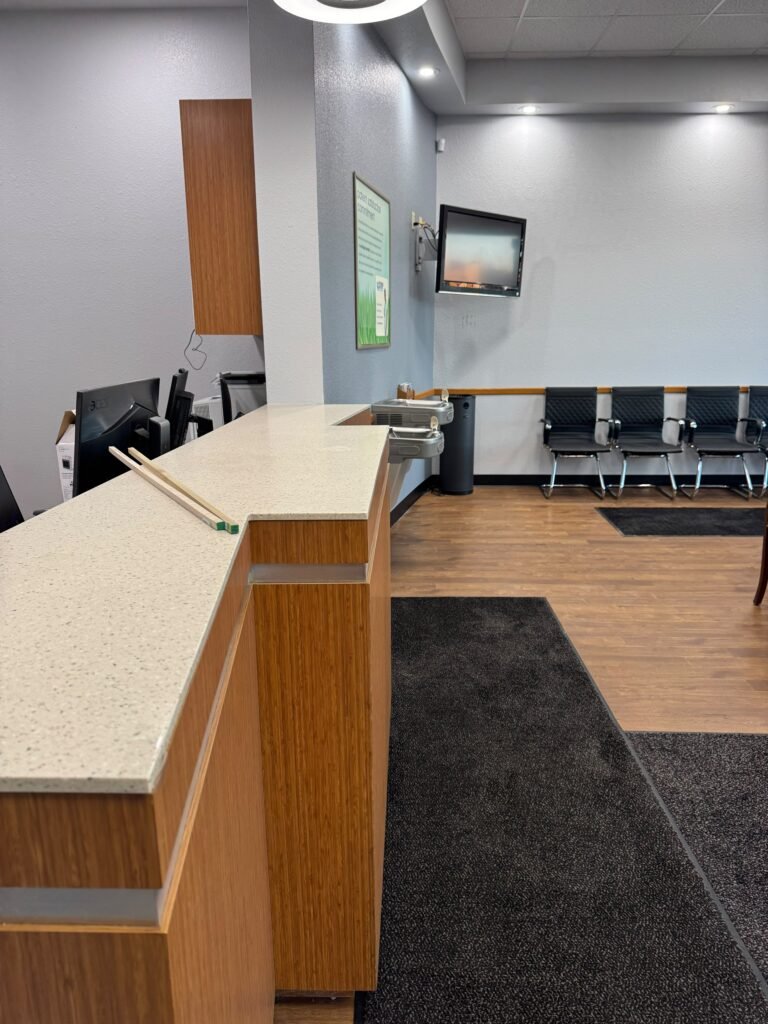
7. Include dispatch offices and shared touchpoints
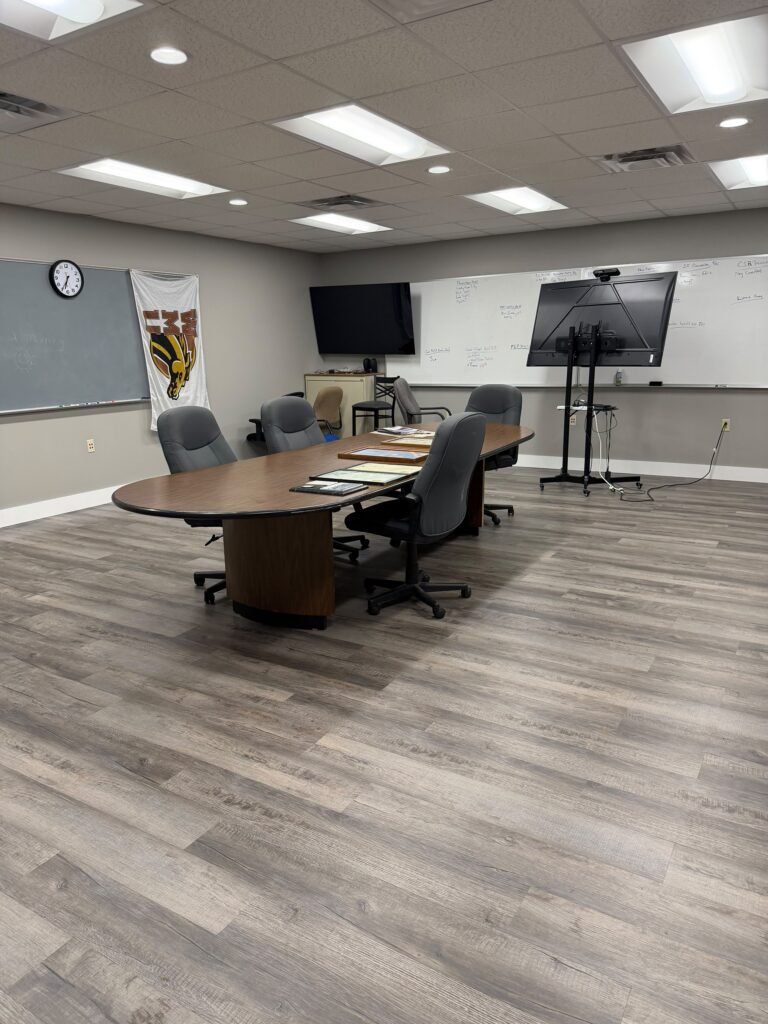
Warehouse offices often need a different routine from the operational floor. Record agreed workstations, meeting spaces, interior glass, carpets and frequently touched surfaces, with clear rules for papers and electronics.
Separate general cleaning from any required disinfection task and follow the selected product’s label instructions. Do not assume a quick wipe delivers the same result as a properly specified process. For administrative areas, consider a coordinated office cleaning plan.
8. Schedule periodic detail work separately
Accessible shelving, edges, corners and other agreed surfaces can be assigned a weekly or periodic review. The right interval depends on buildup and the conditions in your building; the calendar should follow inspection findings.
High-level dusting, machinery cleaning and work near sensitive inventory require a separate assessment of access, equipment and site controls. General janitorial work should not be used as a catch-all description for specialist industrial tasks. Review our industrial facility cleaning page when discussing the boundaries of a larger facility program.
9. Record completed work and unresolved issues
Give the cleaner and site contact a simple way to record exceptions. A blocked aisle, leaking fixture or damaged floor is useful information even when it falls outside the cleaning scope.
Your record can include the zone, task, completion date, exception and follow-up owner. Review recurring issues together. If the same area is inaccessible every visit, change the plan rather than repeatedly marking the task incomplete.
Turn the checklist into a workable schedule
Use these planning intervals as a discussion guide, rather than a fixed rule for every warehouse:
- During operations: staff checks for emerging spills, obstructions and supply issues.
- Each scheduled cleaning visit: agreed waste collection, restrooms, breakrooms, offices and accessible floor tasks.
- Weekly or as condition requires: detail work on agreed edges, surfaces and lower-use spaces.
- Periodically after assessment: floor scrubbing, deep cleaning and separately approved specialist work.
Give each task on your warehouse cleaning checklist one owner. A warehouse cleaning checklist works best when the operations team and cleaning provider understand where their responsibilities meet. Review the plan when staffing, storage layouts or shift patterns change.
Local planning for Battle Creek and Grand Rapids
A distribution facility with tight dispatch windows may need a different plan from a storage building with limited daily movement. Share the address, operating hours, approximate accessible floor area and expected frequency when requesting service.
Champion Facility Solutions reviews requests for commercial cleaning in Battle Creek and Grand Rapids facilities, alongside other West Michigan service areas. Coverage and crew availability are confirmed for the individual property before scheduling.
Warehouse cleaning questions
How often should warehouse floors be scrubbed?
There is no single interval for every facility. Traffic, floor finish, soil and available access determine an appropriate schedule. Start with a condition review and adjust the plan if buildup returns before the next service.
Can one contract cover the warehouse and offices?
Yes, if both areas are explicitly included. Give operational floors, offices, restrooms and employee spaces their own tasks and frequencies so the scope remains easy to check.
Does routine cleaning include high racks or equipment?
Only if specifically assessed and agreed. Elevated work, production equipment and restricted areas require separate consideration of the methods and site procedures needed.
Walk through your cleaning priorities with Champion
Champion Facility Solutions has served Michigan commercial clients since 2019. We review accessible areas, site requirements and employee spaces before recommending a cleaning scope.
Book a complimentary warehouse walkthrough or call 269-478-0101. Bring this checklist and your shift schedule so we can discuss the areas that need consistent attention.
Make a clear handover record for each zone
A checklist is more useful when another person can understand the entry without a verbal explanation. Keep the record short enough to complete during a normal visit, but specific enough to show what happened. Agree where the record will be kept and who checks unresolved items.
Describe the completed task
Instead of writing “floor checked,” identify the aisle or room and the agreed action. State whether the accessible area was swept, scrubbed or left pending because access was unavailable. An accurate handover is more useful than a page of ticks that does not describe the actual condition.
Give exceptions a follow-up owner
When work cannot be completed, note the reason, the time reported and the site contact responsible for arranging access. Keep maintenance defects separate from cleaning tasks. A leaking fixture, damaged coating or unknown residue needs the appropriate site response before someone assumes routine cleaning will resolve it.
Review recurring problems together
At service reviews, look for areas that repeatedly need attention. A breakroom may be busier after a staffing change, or a loading zone may be unavailable during the original service window. Agree on any adjustments, then update the warehouse cleaning checklist so everyone works from the same version.
For multiple locations, use a consistent reporting format with a separate room list for each building. Floor finishes, working hours and access rules still need individual attention. Consistent records help managers check the agreed work without treating every facility as if it operates in exactly the same way.