Commercial cleaning cost is easier to compare when you know exactly what each proposal includes. A monthly price on its own tells you very little. One company may include five visits a week and restroom supplies; another may quote three visits and charge separately for paper products, carpet extraction and periodic floor care.
For businesses in Kalamazoo, Grand Rapids and the surrounding service areas, the most useful starting point is a walkthrough and a written scope. This guide explains seven factors behind a cleaning quote, the questions to ask and a simple way to compare proposals without guessing at a price per square foot.
What determines commercial cleaning cost?
The main factors behind commercial cleaning cost are cleanable floor area, building use, occupancy, service frequency, surface condition, access and the work included. Two buildings with the same square footage can need very different amounts of cleaning time.
A quiet administrative suite, for example, does not generate the same restroom use or breakroom waste as a facility running several shifts. Your budget should reflect the spaces people actually use and the condition you expect after each visit.
1. Cleanable space, rather than total building size
Ask providers to identify the area covered by their quote. A warehouse may have substantial space occupied by racking, while its offices and employee facilities need frequent attention. A multi-tenant office may include shared corridors that are another contractor’s responsibility.
Bring a floor plan if you have one. Mark included rooms, restricted areas, storage spaces and any areas maintained by your own staff. This makes proposals easier to compare and reduces disagreements later.
2. Staff numbers, visitors and operating hours
A building with 80 employees on site every day needs a different routine from a similar office where most staff work remotely. Customer appointments, shift changes and shared kitchens also influence the workload.
Tell the cleaning company your typical occupancy, busiest days and visitor patterns. For office cleaning services, that information helps determine where time is needed most, rather than assigning the same routine to every room.
3. How often the facility is serviced
More visits generally increase monthly commercial cleaning cost, but simply reducing visits can leave important areas under-serviced. Restrooms and shared kitchens may need attention each operating day even if private offices need less frequent detail work.
Compare the actual service calendar. Ask how holidays, closures and additional visits are handled. A proposal should state the number of visits and the tasks completed at each frequency, including any periodic work.
4. Floor types and their condition
Vacuuming carpet, cleaning tile and scrubbing a large accessible concrete floor involve different methods and equipment. Existing buildup, heavy soil or overdue maintenance may also require an initial service before routine visits begin.
Separate daily floor cleaning from commercial carpet cleaning and floor stripping and waxing. Confirm the floor material before requesting a treatment. A finish suitable for one surface may be inappropriate for another.
5. Restrooms, kitchens and supply arrangements
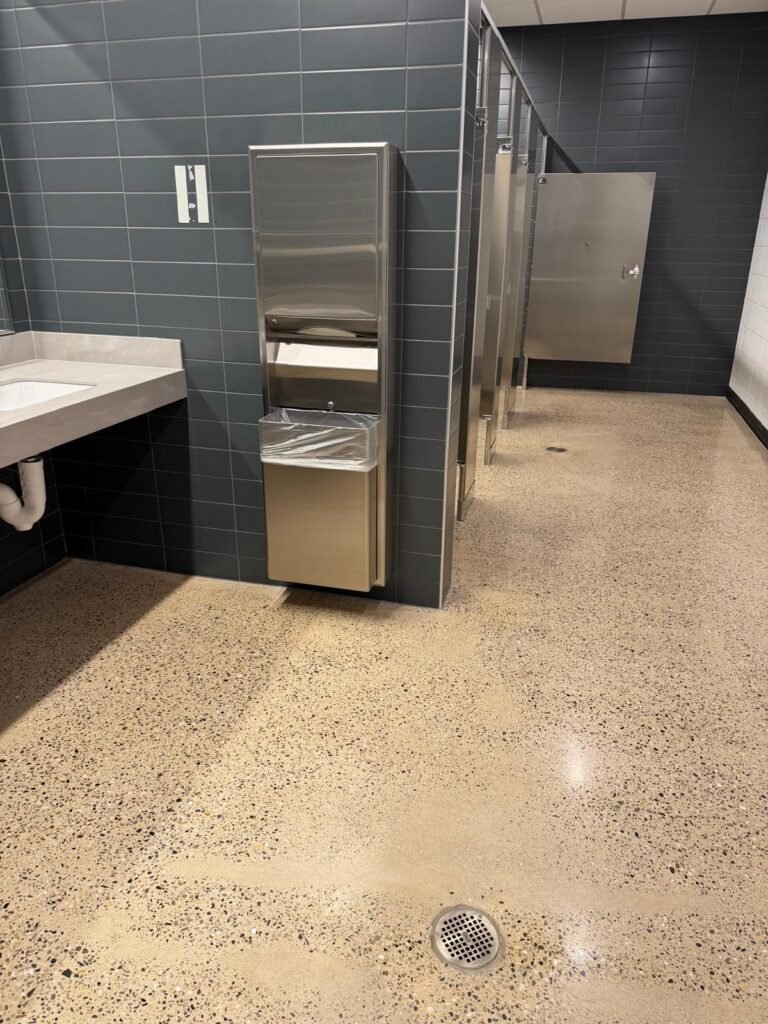
Restroom count matters, but so does usage. Two heavily used restrooms may need more time than several lightly used ones. Kitchens can also vary from a small coffee station to a busy shared eating area.
Clarify who supplies soap, paper towels, toilet tissue, bin liners and dispensers. Ask whether the cleaning company purchases these items, only restocks your inventory or excludes consumables entirely. Supply costs should be visible rather than buried in an unclear monthly figure.
6. Access, security and cleaning windows
An open building with straightforward evening access is different from a facility requiring escorts, separate keys for each department or short windows between shifts. Alarm procedures and restricted rooms affect how work is organized.
Explain these requirements before requesting a quote. If your site needs daytime support as well as evening cleaning, review day porter services as a separate service option with defined hours and responsibilities.
7. Initial cleaning and specialist tasks
A first visit may involve more work than a normal maintenance visit. Ask whether an initial deep clean is included, optional or necessary before recurring service begins.
Specialist requirements also deserve their own assessment. Production equipment, hazardous materials, elevated surfaces and restricted technical areas should never be assumed to fall within a general janitorial price. Get the included tasks and exclusions in writing.
Compare commercial cleaning cost using the same scope
Before choosing a provider, put each quote beside the same room list and service schedule. Check these items:
- Included rooms and approximate cleanable area.
- Visits per week and service windows.
- Restroom, breakroom and high-traffic tasks.
- Routine floor care and periodic maintenance.
- Cleaning products, equipment and consumables.
- Initial cleaning charges and optional extras.
- Quality checks, communication and correction procedures.
- Contract length, price review terms and cancellation notice.
For a simple comparison, divide the monthly recurring price by the number of scheduled visits that month. For illustration only, a hypothetical $2,000 proposal covering 20 visits equals $100 per visit. That is arithmetic, not a Champion rate or a market estimate. It is useful only when visit length, included work and quality expectations are comparable.
A low commercial cleaning cost per visit may still leave you purchasing supplies or arranging separate floor maintenance. Look at the total cost of the scope your building actually needs.
Budgeting for Kalamazoo and Grand Rapids facilities
A practical commercial cleaning cost estimate accounts for changes in the building throughout the year. Wet-weather entryways, tracked-in debris and busy periods can shift the workload toward entrances and shared areas. Agree on how those changes will be handled before they occur.
If you manage several properties, request a separate scope for each. You can coordinate reporting and communication while still recognizing that each location has different occupancy and access needs.
Explore our commercial cleaning in Kalamazoo and Grand Rapids cleaning services pages to discuss your facility. Champion Facility Solutions reviews the building and required schedule before preparing a proposal; this article does not set a universal rate.
Common questions about cleaning quotes
Can I get an accurate quote from square footage alone?
Square footage helps with an initial conversation, but it does not describe restroom use, soil levels, floor types or access. A walkthrough gives the provider the information needed to define the work and price it properly.
Is a monthly contract better than a one-time clean?
They serve different needs. Recurring service maintains agreed areas on a schedule. A one-time clean addresses a defined project. Some buildings need both an initial service and ongoing maintenance, with each priced separately.
Can we reduce the budget without cutting essential tasks?
Ask about changing the frequency of lower-use areas while keeping busy restrooms, kitchens and entrances appropriately serviced. Review the result after an agreed period rather than removing tasks without checking the effect.
Get a proposal built around your facility
Champion Facility Solutions is a woman-owned Michigan business serving commercial clients since 2019. Bring your room list, operating hours and priorities to a complimentary walkthrough so we can discuss a practical scope and schedule.
Book your complimentary facility walkthrough or call 269-478-0101. You can also view our project gallery for examples of commercial spaces and floor-care work.
When comparing disinfection tasks, ask which product and label directions will be followed. The EPA introduction to pesticide labels explains why product directions matter for safe, appropriate use.
Prepare a one-page comparison worksheet
Before requesting proposals, write down the rooms you want included and the days your building is occupied. Share the same information with every provider. This avoids comparing a detailed maintenance program with a smaller scope that happens to have a lower monthly price.
Describe an ordinary working week
List opening hours, typical staff numbers, visitor patterns and the busiest shared areas. Explain any shift changes or days when meeting rooms are heavily used. Identify the person who can arrange entry, the rooms that require an escort and any spaces that must remain untouched. These details help providers estimate the actual work.
Note the condition you are starting from
Record visible buildup, stained carpet and supplies that regularly run out. Separate cleaning concerns from maintenance issues such as damaged surfaces or leaks. Ask whether an initial service is required before normal visits begin, and request a separate description of that work so it is easy to review.
Agree on priorities and review the result
Identify tasks that must happen each visit and areas with lighter use. If the initial proposal exceeds your budget, ask what a revised schedule would change in each room. Keep the revised scope with the final quote rather than relying on a verbal conversation about reducing the price.
Finish with your building contact, purchasing contact and a preferred review date. Record questions about products, periodic work and access before accepting the proposal. Revisit the worksheet if occupancy or working hours change. Keeping commercial cleaning cost connected to a clear scope makes the service easier to compare and manage.