An office cleaning contract checklist helps you answer a simple question: will the service described in the proposal match what your building needs? A friendly meeting and a monthly price are useful, but neither tells you whether meeting rooms, shared kitchens or periodic carpet care are included.
If you manage an office in Troy, Southfield, Novi or another Metro Detroit community, use these ten checks before choosing a recurring cleaning provider. They focus on the everyday details that make a service easier to manage, from access and supplies to reporting a missed task.
Start your office cleaning contract checklist with a walkthrough
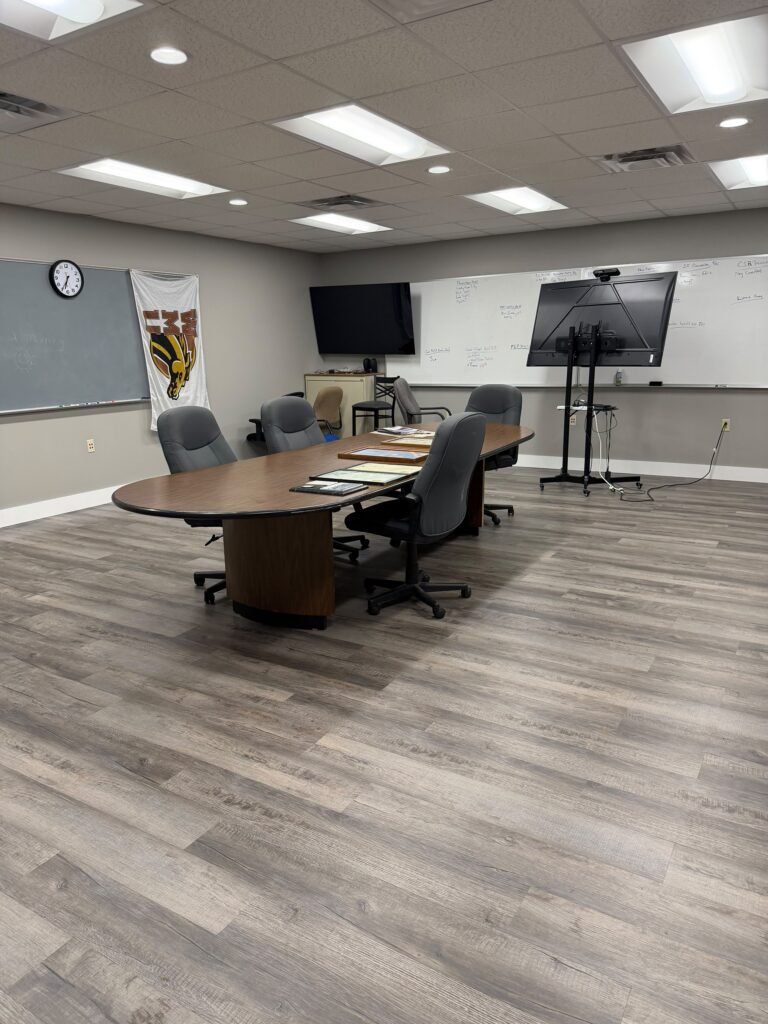
Before comparing agreements, walk the office with the provider and identify what success looks like in each space. Include the rooms visitors see and the areas staff use behind the scenes. Mention busy meeting days, hybrid working patterns and any rooms with restricted access.
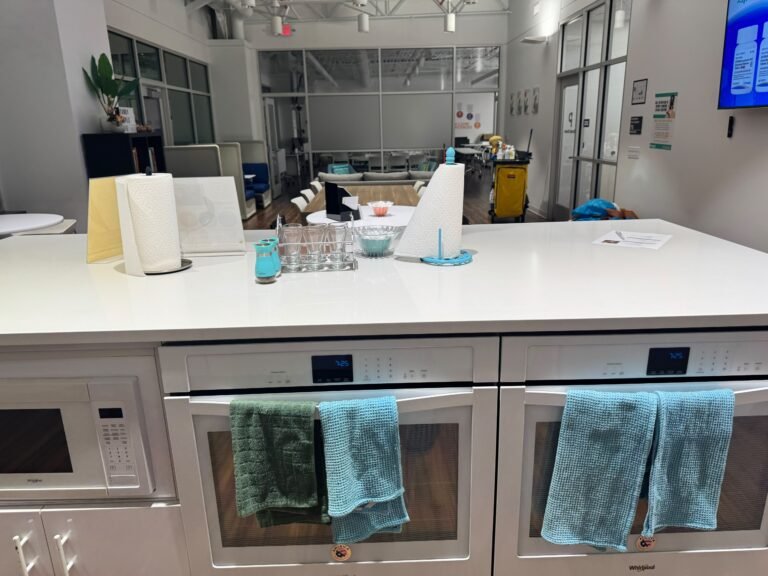
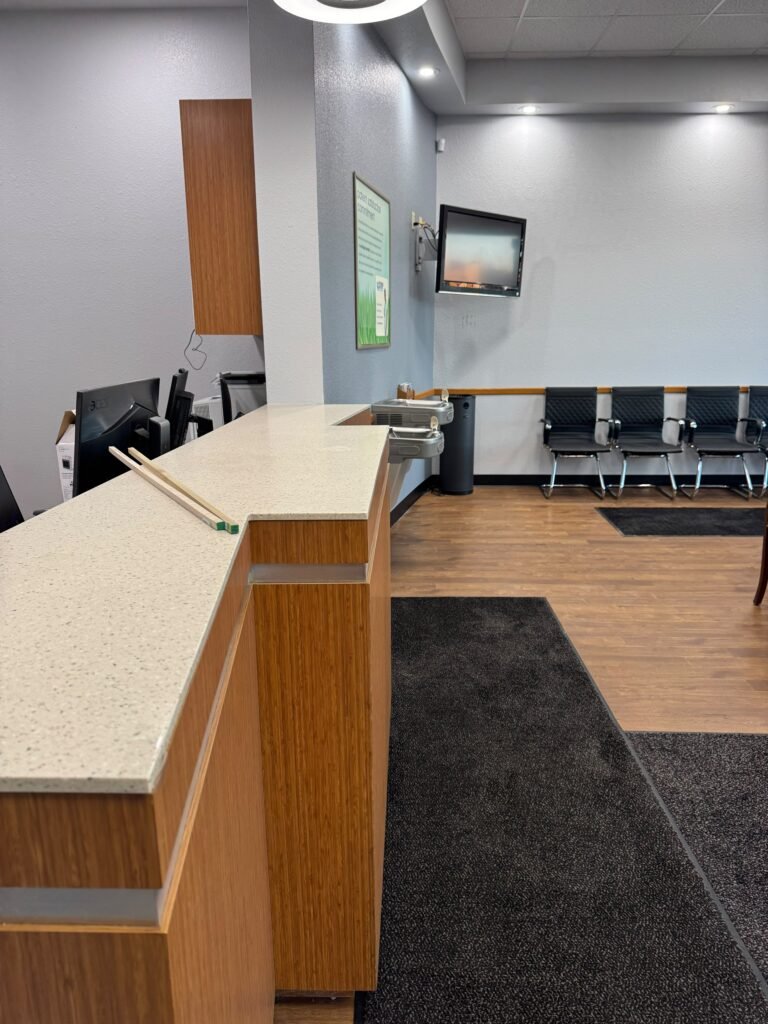
Use a written room list to support the proposal. Our office cleaning services page outlines common areas to discuss, including reception, conference rooms, workstations and employee facilities. Your office cleaning contract checklist should turn those broad service descriptions into a specific plan for your building.
1. Name the rooms and tasks included
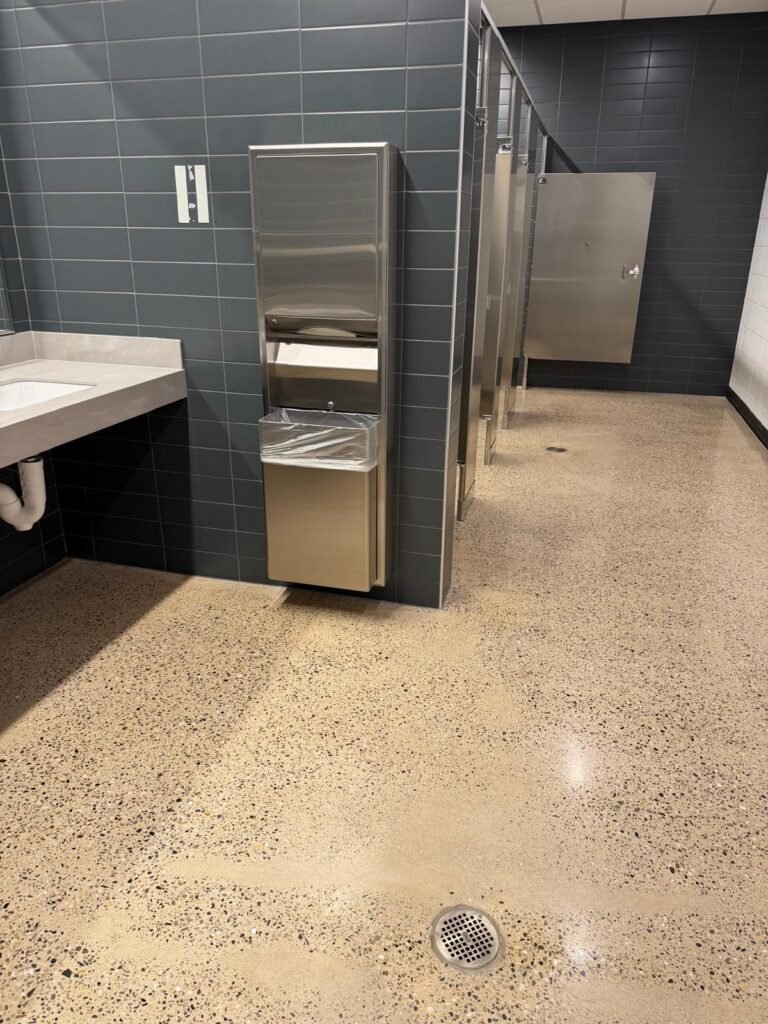
“General office cleaning” is too broad to be a useful specification on its own. Ask for a room-by-room scope describing waste removal, vacuuming, suitable hard-floor care, restroom tasks and agreed surface cleaning.
Clarify how occupied desks are handled. Staff should know whether cleaners work only on clear surfaces, leave papers untouched or follow another approved procedure. The same applies to screens, personal belongings and confidential work areas.
2. Put frequencies beside individual tasks
A provider visiting five evenings a week may still complete some tasks weekly or monthly. That can be sensible, provided the schedule is clear. List what happens each visit and what happens periodically.
For example, daily waste collection and restroom care may sit alongside less frequent partition detail cleaning. Ask how closures and holidays affect visits, and how an additional meeting or event can be accommodated when requested.
3. Agree on access and security procedures
Confirm entry times, key or access-card responsibilities, alarm procedures and the person to contact if entry fails. List restricted rooms and any escort requirements. The provider needs enough information to plan the work without creating uncertainty for your staff.
Discuss confidentiality expectations and how lost access items or unusual incidents are reported. If your building manager controls common areas, distinguish those responsibilities from the cleaning inside your leased space.
4. Clarify products, equipment and consumables
Ask who supplies cleaning products and equipment, and whether restroom paper products, soap and liners are included in the price. If your team purchases consumables, identify where stock is stored and who reports low inventory.
Flag surface-care instructions, approved products or procurement requirements before signing. If you have sustainability preferences, request specific product information rather than relying on a broad “green cleaning” description.
5. Separate routine cleaning from periodic floor care
Routine vacuuming does not necessarily include extraction cleaning. Likewise, mopping does not automatically include stripping, refinishing or other floor maintenance. List the periodic treatments included, their agreed frequency and how separately requested work is approved.
Review commercial carpet cleaning where traffic lanes, spots or meeting-room carpets need attention beyond routine visits. Confirm the surface and its care requirements before agreeing on a treatment or schedule.
6. Identify your service contact and escalation process
You should know who receives a missed-task report, how to send it and what happens next. Ask how urgent concerns are distinguished from routine requests and when you can expect acknowledgment.
Avoid assuming a guaranteed response time that has never been agreed. Put realistic communication expectations in the proposal and confirm a backup contact. A clear process is more useful than an informal promise that someone will always be available.
7. Ask how quality will be reviewed
Agree on how work will be checked against the scope. This might include a checklist, supervisor inspections or scheduled review conversations. The method should be practical for the size and complexity of your office.
Record recurring problems by room and task so both parties can see whether the issue is access, frequency or execution. Review the service after the initial period and whenever the building’s occupancy changes significantly.
8. Check staffing arrangements and site expectations
Ask how the provider prepares staff for your building and communicates approved access rules. Discuss cover for absence, changes in assigned personnel and who supervises the agreed work.
Request appropriate evidence of insurance and any documentation your procurement process requires. Review what is actually provided. A website claim or general statement is not a substitute for checking the documents relevant to your agreement.
9. Read price changes, extras and cancellation terms
Look for the contract length, renewal process, notice periods and any price-review mechanism. Clarify how extra work is quoted and who in your organization can authorize it. A change in occupancy or floor area may require a revised scope.
Compare proposals using the same service schedule. For a service overview, review recurring commercial janitorial services. Ask questions about terms you do not understand before committing.
10. Plan the handover and first month
Set a start date, access handover and initial priorities. If the building needs a separate first clean, agree on that scope and price before routine service begins. Tell employees what they need to clear or secure before the first visit.
Schedule an early review with the site contact. It is a chance to check whether the agreed timing works, supplies are accessible and any overlooked rooms need to be added through a documented change.
Use this checklist for Metro Detroit offices
Location matters when confirming coverage and scheduling. Share your facility address, required service frequency and permitted access hours at the beginning of the conversation. Do not assume every provider can support every building on the same timetable.
For local inquiries, explore Champion’s pages for commercial cleaning in Troy, Southfield office and facility cleaning and commercial cleaning in Novi. Metro Detroit requests are reviewed by address, scope and route availability; these service areas do not imply separate local branches.
Questions to ask before signing
Should every office have the same cleaning frequency?
No. Occupancy, visitor traffic, shared facilities and operating hours determine the workload. Set frequencies by area and review how the plan performs, rather than choosing a schedule based only on office size.
What if we need cleaning during the workday?
Discuss daytime checks separately from after-hours service. A busy reception area or restroom may benefit from day porter support, subject to availability and an agreed scope. Define the hours and responsibilities instead of assuming they are part of an evening contract.
Can the contract change as our office grows?
Ask for a clear change process. Added rooms, higher occupancy or longer opening hours may alter the work required. Document the revised tasks, frequency and price before the change starts.
Discuss a cleaning plan you can actually review
Champion Facility Solutions is a woman-owned Michigan business established in 2019. We begin with the areas you use, your operating schedule and your priorities, then discuss a written cleaning scope.
Use this office cleaning contract checklist during your next provider meeting. To review your building with our team, book a complimentary walkthrough or call 269-478-0101. Our gallery shows examples of commercial interiors and completed cleaning work.
When comparing disinfection tasks, ask which product and label directions will be followed. The EPA introduction to pesticide labels explains why product directions matter for safe, appropriate use.
Bring a simple comparison sheet to the meeting
Make a column for each provider and compare the same areas of the proposed agreement. Record the rooms, service days, supplies, periodic work, communication process and notice terms. Mark unclear items as questions rather than filling in the answers yourself. A short list is easier to use than relying on memory.
Discuss a realistic working week
Imagine your meeting rooms are occupied most Tuesdays and Thursdays, while private offices are lightly used on Fridays. Ask each provider how the proposed routine accounts for that pattern. The answer should describe the tasks and timing, rather than simply repeating that a plan will be customized.
Ask how interruptions are handled
Discuss a locked room, an unexpectedly late meeting or a building closure. Find out how missed access is recorded and whether work is rescheduled or handled under another agreed arrangement. These ordinary situations are easier to manage when the process is clear before the first visit takes place.
Share the final scope with your site team
Ask the person who opens the office and the person who checks the work to review the room list. They may notice access restrictions or overlooked tasks that purchasing staff would not see. Resolve those points with the provider and keep the final schedule with the agreement.
Use the office cleaning contract checklist again at your first service review. Check work against the agreed tasks and record any changes to occupancy or priorities. A useful agreement stays connected to the building as it operates, giving both sides a clear starting point for discussing improvements.