To disinfect common areas appropriately, start by defining the setting, surfaces and tasks rather than treating every room as the same job. Offices share kitchens, meeting rooms, reception areas and restrooms, but each space has different materials and patterns of use. A written plan helps the building contact and cleaning provider understand what is required, when it happens and who reports issues between visits. This guide covers general office planning; specialist settings need their own applicable procedures and responsible oversight.
Cleaning and disinfection are different processes. CDC guidance for community facilities calls for routine attention to frequently touched surfaces and additional disinfection where indicated, such as areas used by someone obviously ill. Follow the specific product label and the facility’s procedures. A general cleaning contract should not be treated as proof that every specialist protocol is satisfied. When asking a provider to disinfect common areas, identify the intended task clearly before requesting a quote or approving work.
8 planning checks before you disinfect common areas
1. Identify the areas and the responsible person
List the shared rooms included in the request, with a contact who can answer questions about their use. Note reception, meeting spaces, breakrooms and restrooms separately. Before a provider is asked to disinfect common areas, explain any restricted spaces or specialist requirements. The task list should distinguish routine work from incident-related requests. A clear room list helps avoid assumptions about whether a neighboring office, appliance interior or shared building corridor is included in the same service.
2. Check the product and surface instructions
Use a product appropriate for the intended surface and purpose, and follow its label, including preparation, application, contact time and safety directions. Do not assume a disinfectant suits every material. Read the EPA guidance on product application methods. When arranging to disinfect common areas, ask the provider to explain the assessed process rather than requesting a particular spray method solely because it appears faster or more comprehensive.
3. Keep cleaning and disinfection distinct
CDC advises cleaning surfaces before disinfection. When a disinfectant is used, its labeled wet-contact time must be observed; a quick wipe is not automatically equivalent to the required process. Do not mix cleaning chemicals. Use the protective measures specified for the products and task. Consult CDC’s facility cleaning and disinfection guidance alongside your site procedures. These product-use details should be settled before the team is asked to disinfect common areas during a scheduled visit.
4. Make the task list specific
Identify the surfaces included in each room rather than writing disinfect the office on the work order. A meeting room might contain tables, chair arms, switches and shared equipment, each requiring an appropriate approach. Ask how the provider will assess electronics and other sensitive items. When you disinfect common areas, keep personal belongings and confidential papers outside the routine task list unless there is an agreed procedure. Record exclusions clearly so employees know which items remain their responsibility.
5. Agree on access and occupancy
Explain when the room is available and whether another route or space is needed while work takes place. Confirm how the team checks that a restroom or meeting room can be entered. The request to disinfect common areas should include a contact for unexpected occupancy or access problems. Ask how the work is recorded if a room is unavailable. If the same space is blocked at every visit, revise the service window instead of allowing the task to remain unresolved.
6. Assign supply and equipment responsibilities
Confirm who provides the assessed products and equipment and how approved materials are stored and made available to the team. Keep restroom consumables such as soap, tissue and paper towels separate from the product-use discussion. A request to disinfect common areas does not by itself explain who buys those supplies or replenishes dispensers. Record the purchasing contact and the person receiving stock reports. Discuss product preferences before the quote is finalized so suitability can be reviewed rather than assumed.
7. Keep a clear completion and exception record
Record the room, agreed task, date and any access or supply issue that prevented completion. Name the person responsible for follow-up. If staff are asked to disinfect common areas between scheduled visits, clarify their assigned tasks and approved process through the appropriate site arrangements. A tick on a form should refer to a defined activity, not an unspecified promise about the whole room. Keep maintenance concerns separate so broken fixtures, leaks or damaged surfaces reach the correct building contact.
8. Review the plan when conditions change
Additional staff, more visitors or revised opening hours can change how shared spaces are used. Review the affected rooms and discuss any change in frequency or service window. Do not simply ask the provider to disinfect common areas more often without defining the revised work. Put the updated tasks, responsibilities and any price difference in writing before the new arrangement begins. Share the latest version with your site contact and the people checking and completing the service.
Plan shared spaces by how they are used
Meeting rooms and reception
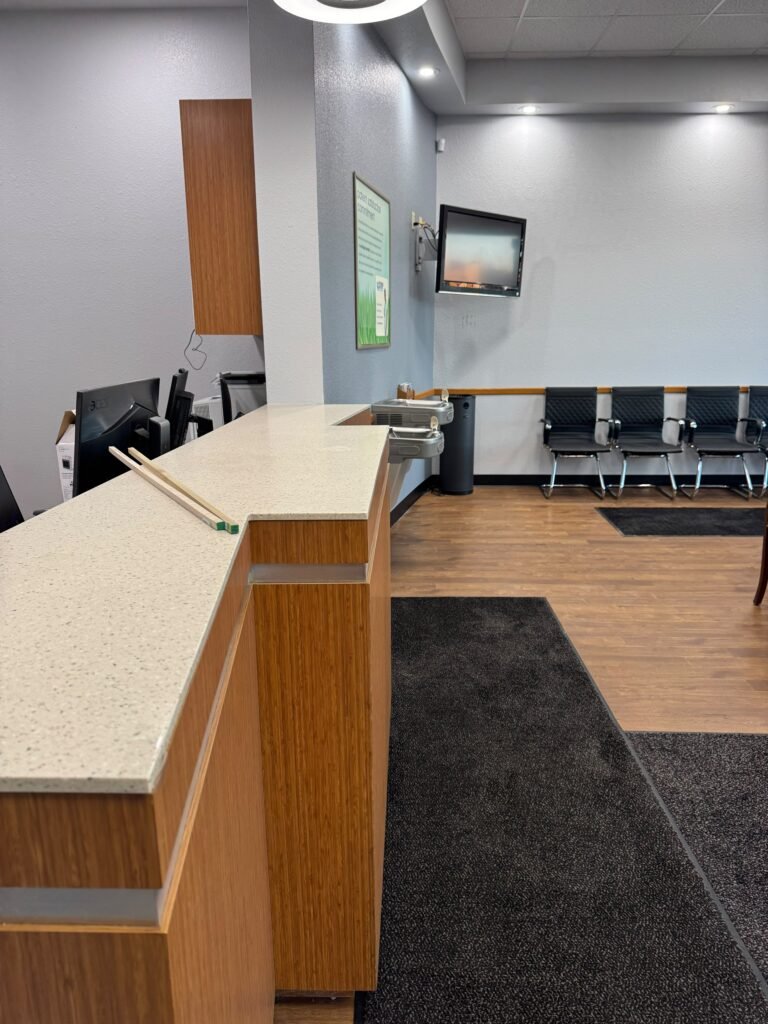
Record meeting patterns, visitor appointments and the time rooms normally become available. Include the agreed surfaces and clarify how shared devices are handled. Give staff notice about items they should remove before the visit. If a meeting runs late, the site contact should have a practical way to report the change. A provider asked to disinfect common areas needs those details to organize the assessed work without guessing which occupied room can be entered or which personal belongings can be moved.
Breakrooms and shared kitchens
Specify counters, tables, appliance exteriors, handles and other agreed items. Keep appliance interiors and staff food separate unless the scope expressly covers them and preparation has been arranged. Explain how your site’s food-related procedures affect the work. If staff are asked to disinfect common areas around meal periods, make the timing and responsibilities clear. A single general kitchen entry does not tell the team whether a refrigerator interior, a personal mug or a shared appliance is part of the task.
Restrooms and employee facilities
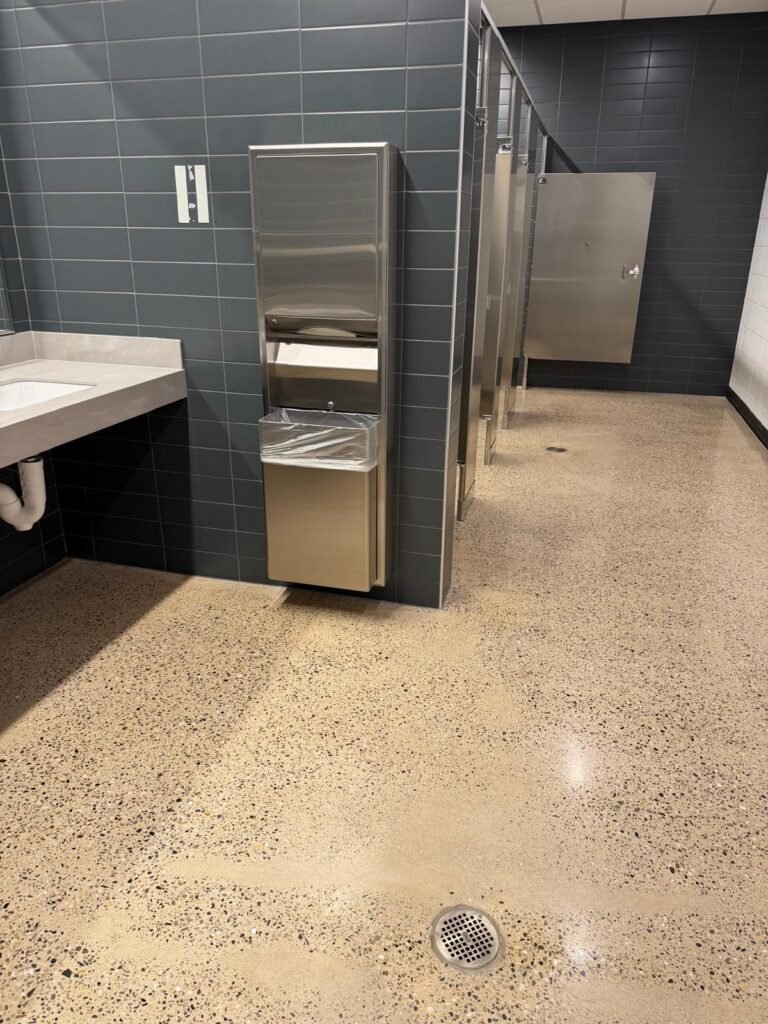
List fixtures, dispensers, touchpoints, waste arrangements and accessible floor tasks separately. Confirm whether interim supply checks are part of the cleaning contract or handled by on-site staff. Use our restroom cleaning checklist to prepare questions about routine work and reporting. If the provider is asked to disinfect common areas here, identify the included surfaces and assessed process. A damaged dispenser or a persistent plumbing concern needs a follow-up owner beyond a routine cleaning checklist.
Questions to settle with your cleaning provider
Does every surface need disinfection at every visit?
Use the facility’s procedures, setting and current guidance to define the required tasks. Do not assume the broad phrase disinfect common areas means treating every surface in every room at the same frequency. Ask which work is routine cleaning, which is separately specified disinfection and what information is needed to assess an additional request. In a specialist setting, involve the people responsible for those procedures before the scope is agreed.
Can this be part of recurring office cleaning?
Yes, when the assessed tasks, products, timing and responsibilities are written into the agreement. Review our office cleaning services and office cleaning contract checklist when preparing questions. Keep requests outside that scope subject to the agreed approval process. If your building needs checks during occupied hours, discuss day porter support separately from an evening maintenance visit so coverage is clear.
How should we compare proposals?
Give each provider the same room list, service windows and assessed requirements. Compare included surfaces, frequencies, supplies, reporting arrangements and exclusions. Ask how additional work is quoted and who can approve it. A lower monthly figure may describe fewer visits or a smaller scope. Our commercial cleaning cost guide helps organize the budget discussion. Keep the final proposal with the room list so the people checking the work can refer to the same agreement.
What should the first service review cover?
Check access, product availability, task clarity and the way exceptions are communicated. Ask your site team for specific observations from normal working days. If an issue repeats, discuss whether it is caused by timing, responsibilities, supplies or execution. Record the agreed next step and follow-up contact. Update the task list whenever a change is approved, and remove superseded copies from routine use so employees and the cleaning provider do not work from conflicting instructions.
Discuss cleaning requirements with Champion Facility Solutions
Bring your room list, operating hours and shared-space priorities to a complimentary facility walkthrough. Champion Facility Solutions can discuss the work needed at your Michigan property and confirm the scope and availability before scheduling. To arrange an assessment and explain where you need the team to disinfect common areas under an agreed plan, call . You can also review our Kalamazoo service information before your inquiry.
For several locations, keep a separate surface inventory and access plan for each building. A consistent reporting format is useful, but rooms, equipment and operating patterns can differ. Give each property a named contact and a review date so unresolved questions reach someone who can make the appropriate decision.