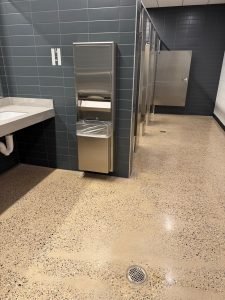
A restroom cleaning checklist helps your team keep shared facilities clean, supplied and ready for use. A clean office can still leave a bad impression if the restroom smells, runs out of soap or has grimy fixtures. A consistent checklist keeps every restroom in your facility clean, stocked and hygienic.
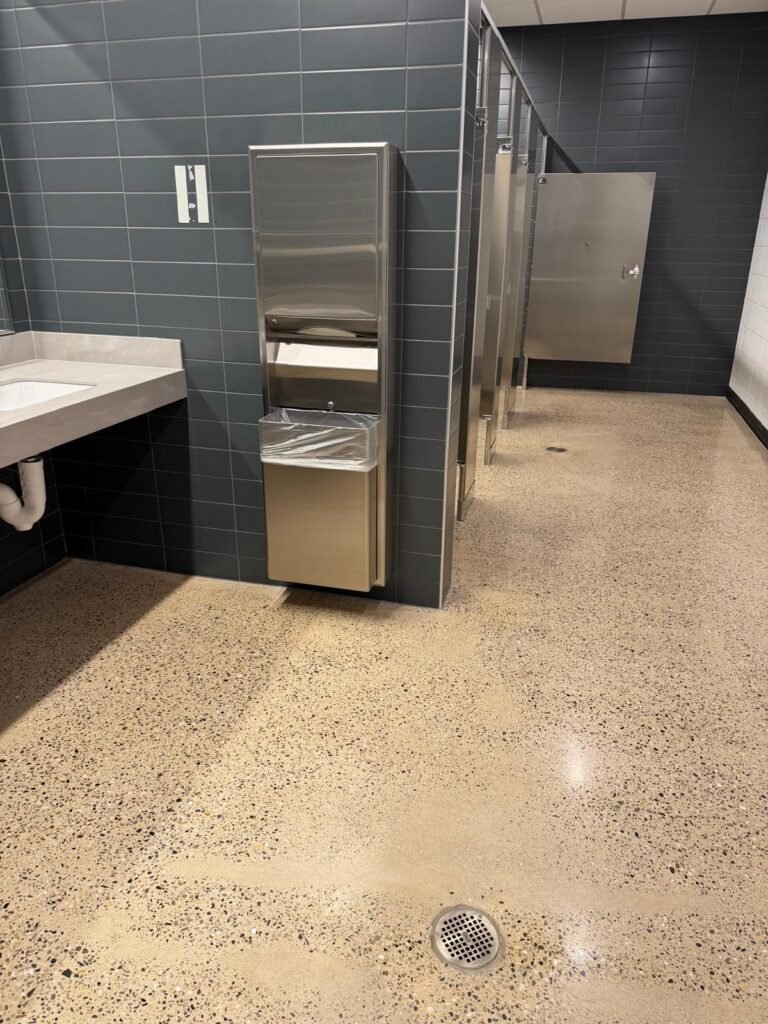
Daily restroom cleaning checklist
- Restock toilet paper, paper towels, soap and seat covers
- Empty trash and sanitary bins and replace liners
- Clean and disinfect toilets and urinals inside and out
- Clean sinks, faucets and countertops
- Disinfect high-touch points: door handles, flush handles, faucets, dispensers, light switches
- Clean mirrors and stainless steel for a streak-free finish
- Sweep and clean floors with products appropriate for the surface and agreed task
- Check for leaks, clogs and broken fixtures and report them
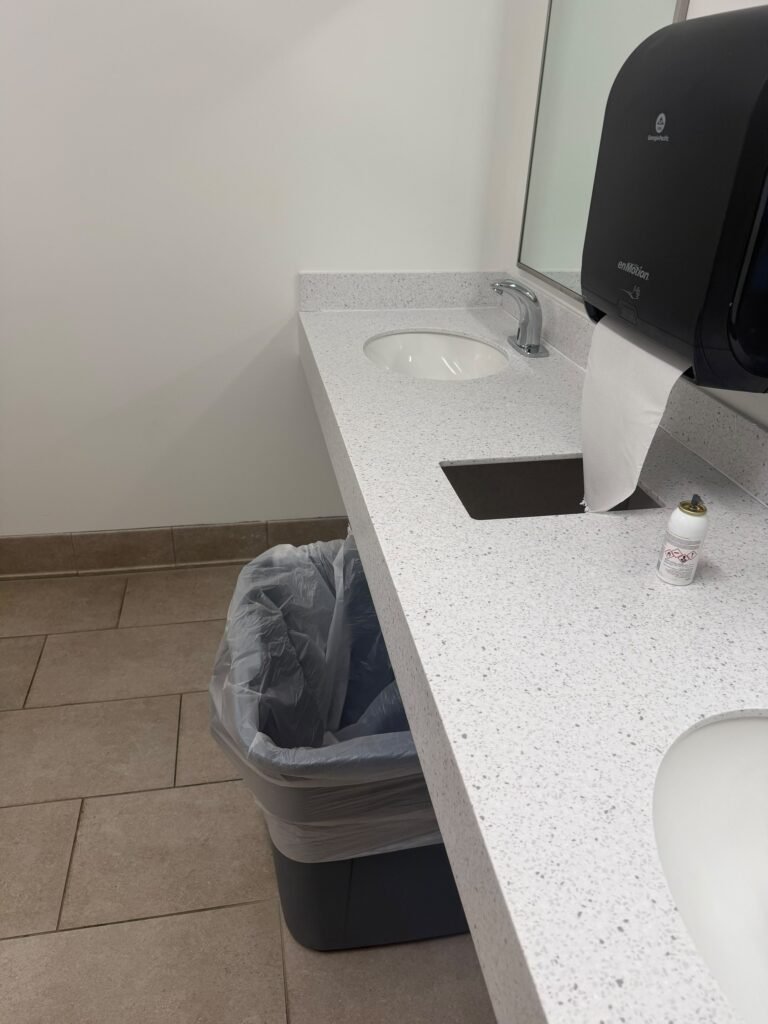
Weekly tasks
- Wipe down stall partitions, doors and walls
- Clean vents, light fixtures and baseboards
- Descale faucets and fixtures to remove hard-water buildup (common with Michigan water)
- Deep clean floor drains to prevent odors
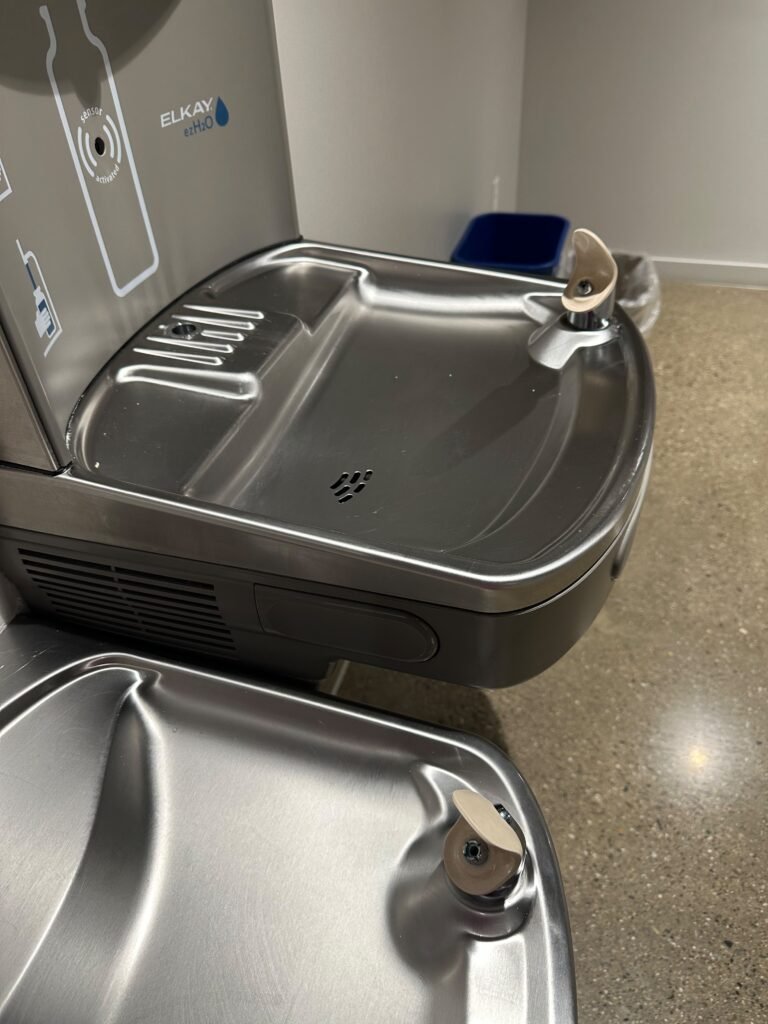
- Polish stainless steel fixtures and drinking fountains
Monthly and quarterly tasks
- Machine-scrub tile and grout lines
- Assess grout condition and separately scope any specialist cleaning or sealing
- Assess suitable floor-cleaning methods for heavy-use restrooms
- Review dispenser and supply levels against usage
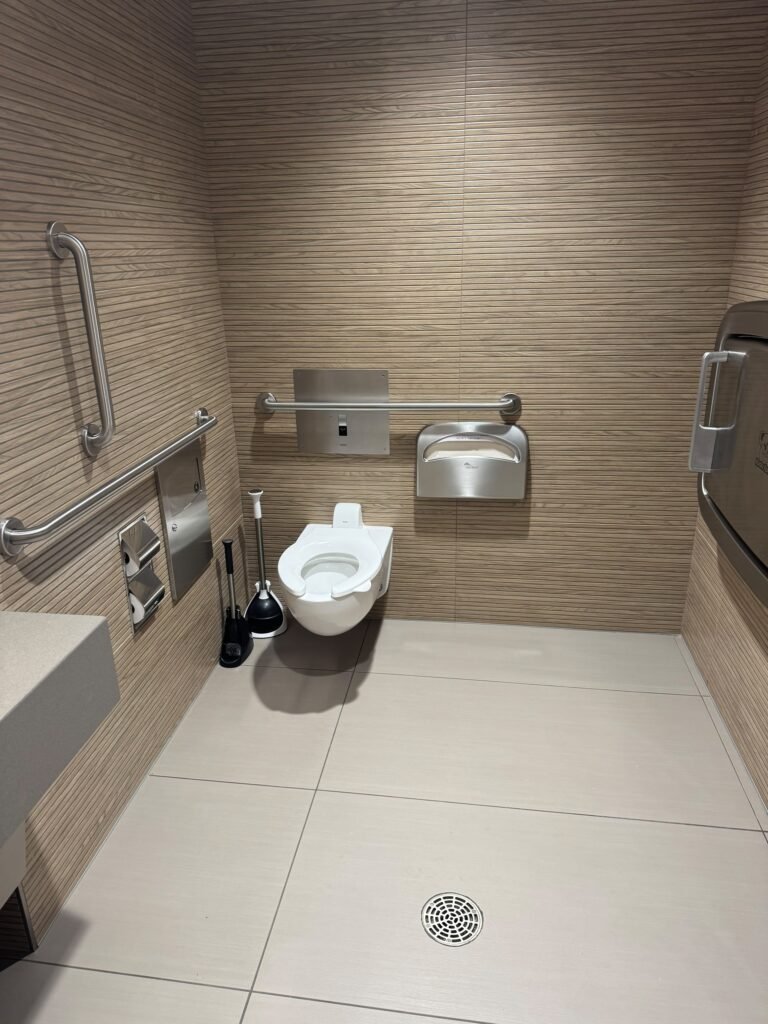
Don’t forget accessible restrooms
Grab bars, accessible sinks and emergency pull cords are high-touch surfaces that are easy to miss. Include them in every daily wipe-down, and keep the floor clear and dry.
How often should commercial restrooms be cleaned?
Set a cleaning schedule for each restroom according to usage, site requirements and inspection findings. High-traffic restrooms in warehouses, manufacturing plants, medical offices, restaurants and retail stores usually need checks and restocking throughout the day. A day porter can handle those midday checks so the restroom stays clean between nightly cleanings.
Professional restroom cleaning across Michigan
Champion Facility Solutions cleans and disinfects commercial restrooms as part of our office cleaning and janitorial programs in Kalamazoo, Portage, Battle Creek, Grand Rapids, Holland, Lansing and Detroit.
Need restrooms you don’t have to worry about? Get a free quote.
Build a restroom cleaning checklist for your building
A restroom cleaning checklist becomes useful when it reflects the people using the facility and the time available to service it. List each restroom, its fixtures and the busiest periods. A reception restroom used by occasional visitors may need a different checking routine from employee facilities shared across several production shifts. Start with those differences rather than copying one generic schedule across every room. Agree which tasks the cleaning provider completes and which interim checks remain with your on-site team.
1. Record tasks by room and frequency
Put a room name or number beside every entry. Include toilets, urinals, sinks, counters, mirrors, dispensers, waste containers, doors and accessible floor areas as applicable. Your restroom cleaning checklist should distinguish the work completed at every visit from periodic detail cleaning. Give the team a way to mark a task not applicable or inaccessible, with a reason. A clear exception is more useful than a tick that suggests work was completed when the room was occupied or locked.
2. Treat restocking as a separate check
Cleaning a room does not show whether it has enough soap, tissue or paper towels for the next busy period. Add supply checks to the restroom cleaning checklist and confirm where replacement stock is stored. Identify who buys consumables, who reports shortages and the person who can authorize an order. Base the stock review on actual use. If dispensers repeatedly run empty before the next scheduled visit, review the checking interval and the amount of stock available on site.
3. Specify cleaning and disinfection correctly
The restroom cleaning checklist should identify the surfaces to be cleaned and any separately required disinfection tasks. These terms are not interchangeable. Use a product suitable for the intended surface and follow its label, including any preparation and contact-time instructions. A quick wipe is not evidence that the required process was completed. The EPA explanation of cleaning, sanitizing and disinfecting clarifies the distinction and the importance of label directions.
4. Include access and occupancy arrangements
Decide how the team will confirm the restroom is available and inform occupants during cleaning. Keep access needs and alternate facilities in mind when planning the service window. The restroom cleaning checklist should record when a room could not be serviced and who was notified. Discuss how the work is rescheduled or addressed under the agreed arrangement. Busy periods can change with staffing or visitor levels, so review the window when the building’s operating pattern changes.
5. Define periodic work after assessment
Walls, partitions, edges, dispensers and other agreed surfaces may need detail work beyond the routine visit. Set an interval based on condition and site use, with the appropriate method for each material. Your restroom cleaning checklist should not automatically authorize pressure washing, resealing or other specialist treatment. Confirm suitability, access and scope first. Keep fixture repairs and persistent drainage problems separate from routine cleaning so the building team can arrange the appropriate maintenance response.
6. Report defects without losing the cleaning record
A leaking tap, broken dispenser or blocked fixture should have a clear reporting route. Record the room, issue and time reported, then identify who is responsible for follow-up. The restroom cleaning checklist can support that communication without becoming a substitute for your maintenance system. Keep unresolved defects visible at service reviews. Repeated odors or moisture should prompt investigation of the cause rather than an assumption that applying more product will solve the problem.
7. Review completion and recurring concerns
Choose a site contact who can check the agreed work and raise specific concerns. A restroom cleaning checklist works best when the review describes the fixture or task involved, rather than simply labeling the whole room unsatisfactory. Agree how missed work is acknowledged and corrected. If the same issue returns, discuss whether the cause is supplies, access, task frequency or execution. Record any revised scope and start date so the provider and building staff use the same version.
A simple record for each cleaning visit
Use columns for the room, task, planned frequency, completion time, staff initials and exceptions. Add a short follow-up field for the person receiving reports. Keep the restroom cleaning checklist easy to complete during a normal visit. Long forms with unclear task names can produce paperwork without useful information. A short room-specific record helps a manager understand what was completed, where access was unavailable and which concerns need action before the next scheduled service.
For example, an entry might state that the east restroom was cleaned at the agreed visit, supplies were replenished from available stock and a damaged dispenser was reported to the building contact. That separates service completion from a maintenance defect. Avoid placing personal information or security codes in the record. If photographs are used to explain an issue, agree on an appropriate process that respects occupants and the privacy of the space.
Restroom cleaning checklist questions
How often should we check busy employee restrooms?
Set checks around actual occupancy, shift changes and the rate at which supplies are used. The appropriate pattern may differ between restrooms in the same building. Start with an agreed schedule, inspect its results and adjust when conditions show the interval is insufficient. Keep a distinction between an interim supply check and a full cleaning visit. A restroom cleaning checklist should state what is expected at each check so staff do not assume the same tasks happen every time.
Can restroom care be part of a larger contract?
Yes, when the rooms, tasks, frequencies and supply arrangements are included explicitly. Connect restroom requirements with the wider office cleaning plan or warehouse cleaning scope. Discuss day porter support if busy periods need attention between recurring visits. Compare proposals using the same restroom cleaning checklist rather than assuming that every general janitorial quote includes identical work or daytime checks.
Does the checklist cover healthcare-specific requirements?
This article is a general facility-planning resource. A healthcare site must define its own applicable procedures and service requirements with the appropriate responsible team. Do not use a generic restroom cleaning checklist as evidence that a specialist protocol has been satisfied. Explain the setting, restricted areas and documentation requirements before a provider prepares a scope. The service agreement should identify the work the team has assessed and agreed to perform.
What should be discussed at the first review?
Check supply availability, access, visit timing and whether the agreed tasks address the building’s actual needs. Ask your site team which problems recur and bring specific examples to the discussion. Update the restroom cleaning checklist if occupancy or priorities have changed. Confirm the follow-up contact, revised tasks and any price change before the new arrangement starts. Keep the latest version with the service scope so purchasing staff and on-site staff can refer to the same information.
Plan restroom cleaning with Champion Facility Solutions
Bring your restroom list, operating hours and current priorities to a complimentary facility walkthrough. Champion Facility Solutions can discuss restroom care alongside recurring commercial cleaning and confirm the scope and availability for your Michigan property. Review our office cleaning contract checklist for questions about task frequencies, supplies and communication. To arrange the walkthrough, call 269-478-0101 or use the complimentary walkthrough request.