Commercial floor stripping may be appropriate when an applied floor finish has deteriorated and routine cleaning no longer restores its appearance. Scuffed, yellowed or dull vinyl and tile make a space look neglected even when everything else is clean. A floor stripping and waxing assessment should establish whether the flooring and existing finish are suitable before a restoration method is chosen.
What commercial floor stripping actually involves
Over time, layers of floor finish collect dirt, scratches and residue from cleaning products. Mopping can’t remove those layers. Stripping uses a chemical stripper and a floor machine to take the old finish down to the bare floor. After the floor is rinsed and dried, crews apply several thin coats of fresh finish (often called wax) and follow the finish manufacturer’s specified drying and return-to-use instructions.
- Pre-cleaning: sweeping, dust mopping and moving furniture or mats
- Stripping: applying stripper and scrubbing off old finish
- Rinsing and neutralizing: removing every trace of stripper so new finish bonds properly
- Coating: laying down multiple coats of finish with proper drying time
- Burnishing (optional): high-speed buffing for a high-gloss look
Signs your floors are due
- Yellow or grey discoloration, especially along walls and corners
- Visible traffic lanes where finish has worn through
- Scuffs and black heel marks that won’t mop out
- Floors that look dull right after cleaning
- Water spots that soak in instead of beading
How often should commercial floors be stripped?
The interval depends on the flooring, existing finish, traffic and maintenance history. Review the condition with your provider rather than assuming every building needs the same annual schedule. Ask whether routine cleaning or an appropriate maintenance treatment can address the problem before arranging full restoration.
Which floors can be stripped and waxed?
Identify the exact flooring product and follow its maintenance instructions. A finish-maintenance method suitable for some VCT products should not be assumed suitable for factory-finished vinyl, concrete, stone or other surfaces. A professional crew will check your floor type before starting. For warehouses and plants, see our industrial cleaning and warehouse cleaning services.
Keeping floors looking good between visits
- Use walk-off mats at every entrance to trap grit and Michigan road salt
- Dust mop daily so sand doesn’t scratch the finish
- Use a neutral pH cleaner; harsh degreasers soften floor finish
- Clean up salt residue quickly in winter before it dulls the surface
- Schedule burnishing between strips in high-traffic areas
Scheduling commercial floor stripping around your business
Stripping needs the floor clear and closed while finish cures, so most jobs are done after hours or on weekends. Champion Facility Solutions schedules floor care around your operating hours across Michigan, including Kalamazoo, Grand Rapids, Detroit and Lansing.
Ready to bring your floors back? Contact Champion Facility Solutions for a free floor care estimate.
7 checks before commercial floor stripping
Commercial floor stripping is a restoration decision, not a task to book automatically whenever a floor looks dull. The first step is to identify the flooring and the finish already on it. A dirty surface, worn finish and damaged flooring can look similar from a distance but need different responses. For a Michigan office, dealership or warehouse, a walkthrough helps separate routine cleaning needs from a suitable restoration project. Use these checks to prepare a useful scope before agreeing on work.
1. Identify the flooring in every room
Find the flooring specification, maintenance instructions or installation records if they are available. A building can contain several materials even when adjacent rooms look alike. Record entrances, corridors, offices and employee areas separately. Ask the provider which surfaces are appropriate for commercial floor stripping and which need another process. Do not assume the same product or machine is suitable throughout the building. If the material cannot be identified confidently, resolve that question before an aggressive treatment is proposed.
2. Distinguish finish wear from surface damage
Point out traffic lanes, edge buildup, spots and discoloration during the assessment. Ask whether the issue is removable soil, a deteriorated applied finish or damage within the flooring itself. Commercial floor stripping cannot be promised to repair every stain, scratch or damaged tile. Request realistic expectations for areas with existing wear. Document defects before work begins so both sides understand which conditions belong to the cleaning project and which may require flooring repair or specialist advice.
3. Ask about a less intensive option
A full removal of the finish may not be necessary for every maintenance visit. Ask the provider to explain the proposed process and why it fits the observed condition. Routine cleaning or an appropriate maintenance treatment may be considered where the existing finish remains serviceable. Commercial floor stripping should be selected for a defined reason, with the flooring instructions and current condition guiding the decision. Avoid paying for repeated restoration simply because no one has reviewed the everyday care routine.
4. Define the usable area and exclusions
List the rooms, approximate floor area and items that must be moved. Confirm who handles furniture, shelving contents, appliances and equipment. Fixed items and heavy machinery can limit access, so agree how edges and inaccessible spaces will be treated. For commercial floor stripping in an occupied facility, also identify areas that must remain available. A proposal should describe the included work clearly rather than rely on a single building-size figure or a general promise to restore every floor.
5. Agree on access and reopening
Tell the team when staff leave, when deliveries arrive and when the building must reopen. Ask for the expected work sequence, drying arrangements and restrictions after the treatment. The products and conditions determine the appropriate timings; a generic overnight estimate is not a guarantee that all traffic can resume in the morning. Plan an alternate route for occupants where needed. Commercial floor stripping should be coordinated with the site contact so a freshly treated area is not opened prematurely.
6. Put the price and optional work in writing
Check whether the quote includes preparation, accessible edges, the specified restoration process, furniture handling and any agreed finishing work. Ask how additional areas or unexpected conditions are handled. Do not treat burnishing, repair and specialist coating work as automatic parts of every package. For a broader budget discussion, our commercial cleaning cost guide explains how to compare scope and extras. Keep commercial floor stripping separate from the recurring janitorial price unless the agreement expressly includes it.
7. Obtain an aftercare plan
Ask which routine care methods are appropriate for the completed floor and when they may begin. Share that guidance with the staff or contractor responsible for everyday maintenance. Confirm how grit, tracked-in moisture and entry mats will be managed. Commercial floor stripping is easier to plan when the building also has a consistent routine between restoration visits. A visible finish problem should trigger a review of the surface and maintenance record rather than an immediate assumption that another full strip is needed.
What to include in a commercial floor stripping request
Send the facility address, the rooms involved, approximate accessible area and preferred work window. Include flooring specifications where available and explain the condition you want assessed. Photographs can help prepare for the visit, but they do not replace a surface assessment. Mention any previous treatment you know about and the date of the last major maintenance service. If several decision-makers are involved, identify who can approve the scope and who can arrange physical access on the day.
For a warehouse, explain which aisles can be cleared and when operations pause. For a dealership, describe the plan for moving display vehicles and controlling customer access. In an office, identify meeting rooms or shared routes that must stay available. These are different scheduling problems even when the same flooring is present. A commercial floor stripping proposal should reflect those details, with separately assessed methods for surfaces that do not belong in the restoration scope.
Questions about commercial floor stripping
Does every shiny floor need stripping and waxing?
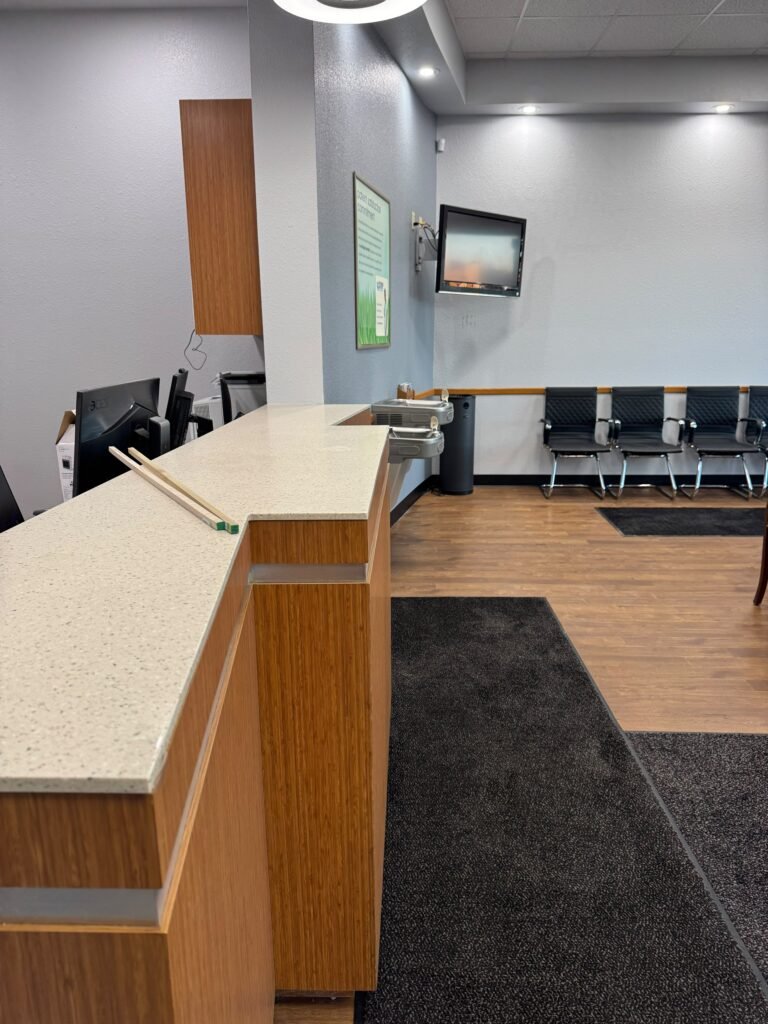
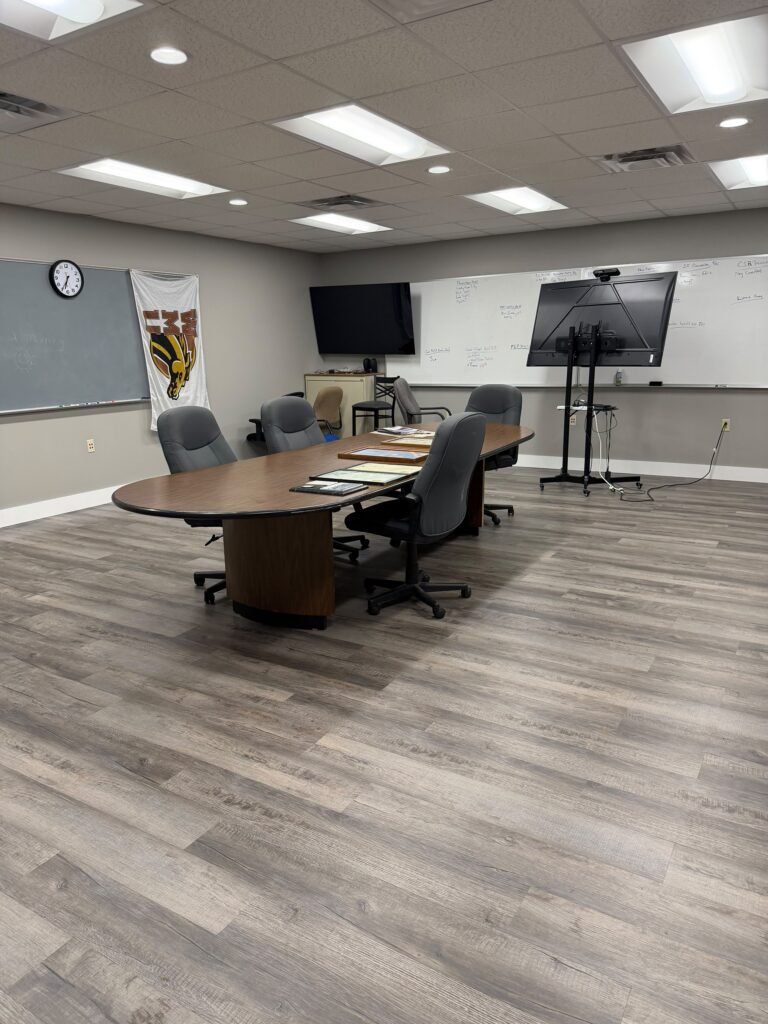
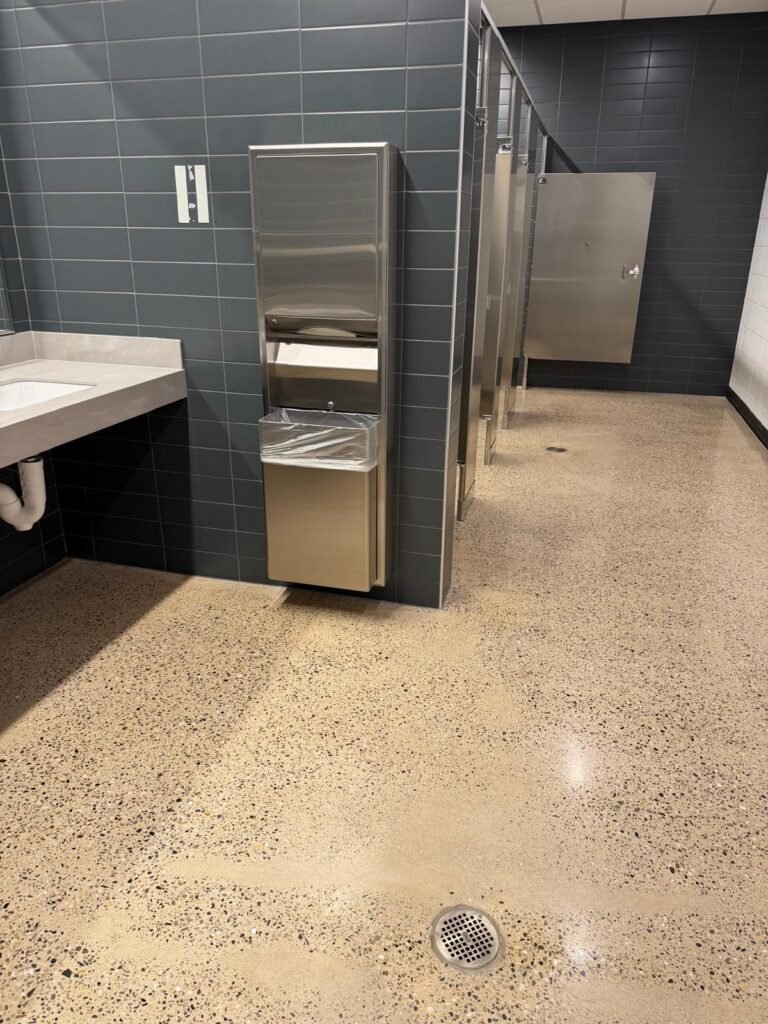
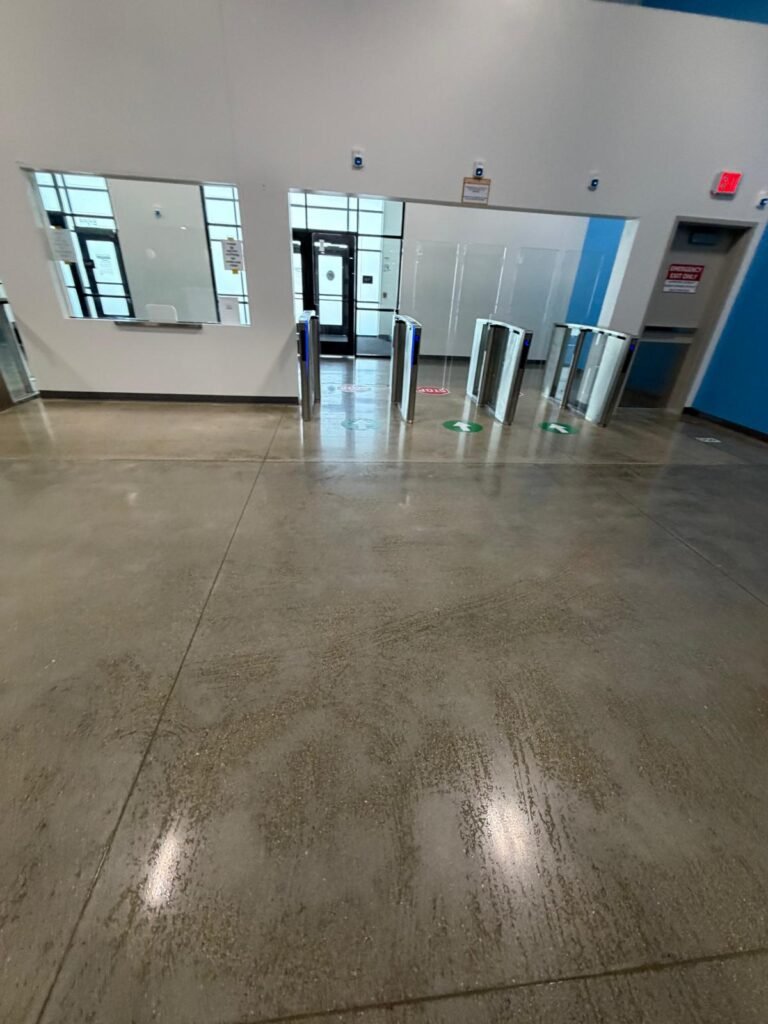
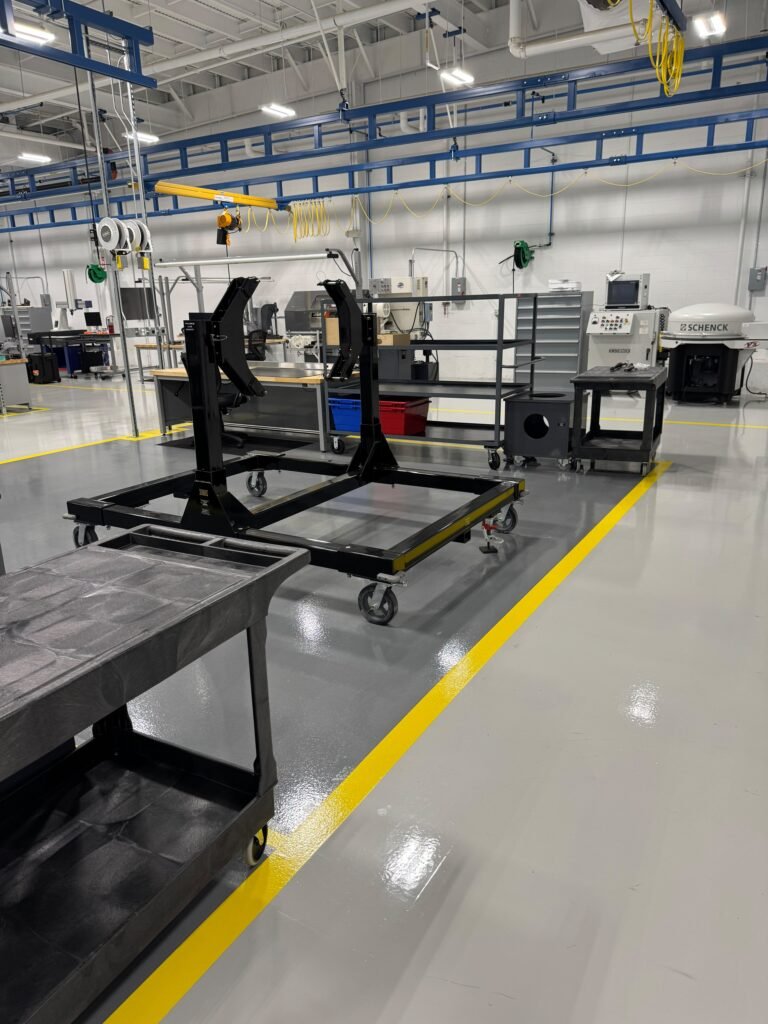
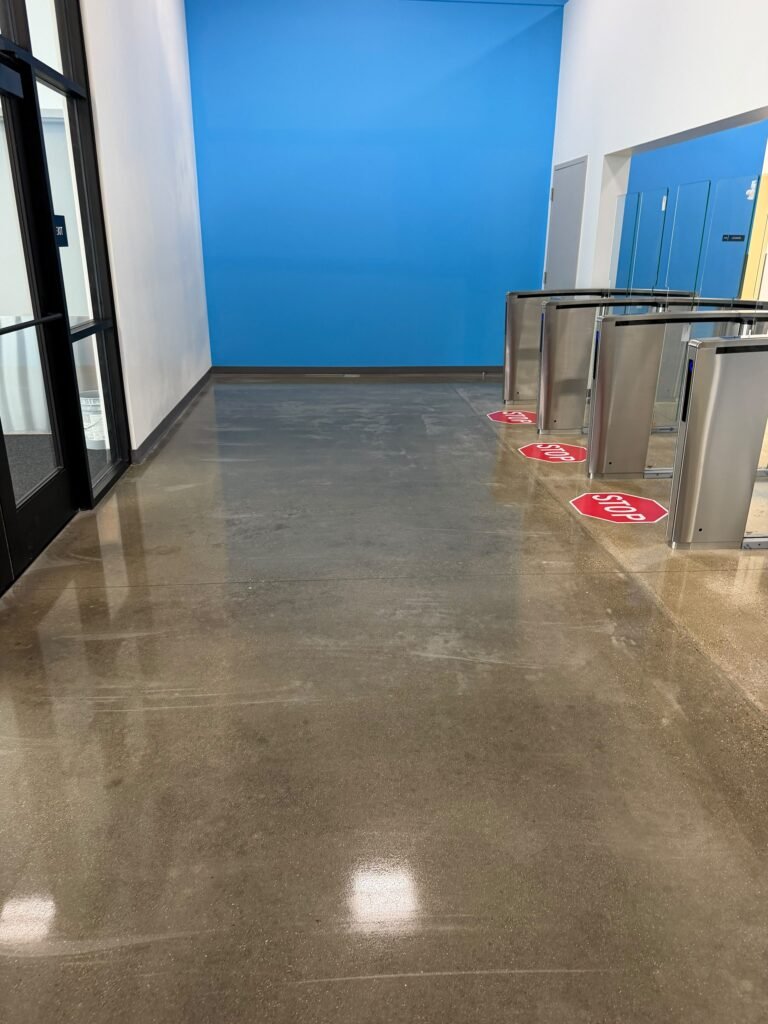
No. A polished concrete floor, an applied floor finish and a factory-finished surface may all look glossy while requiring different maintenance. The photographs in this article show commercial flooring contexts, not proof that every pictured material should be stripped or waxed. Ask the provider to identify the surface and its care instructions before recommending commercial floor stripping. See Armstrong Flooring’s explanation of LVT and VCT differences for manufacturer context on why flooring type matters.
How often should a facility arrange restoration?
Set the interval after reviewing actual traffic, finish condition and routine care. A busy entrance may wear differently from an interior office within the same building. Inspect those areas separately and keep a record of the work performed. Commercial floor stripping should not be scheduled from a universal annual rule without considering whether the floor needs it. Ask the team what signs to report and when to reassess the maintenance plan.
Can work be completed outside business hours?
Discuss your preferred access window when requesting the assessment. Availability, project size and the required return-to-use period all affect scheduling. An evening start does not automatically mean a floor is ready for normal use at opening time. Agree on who confirms reopening and how any delay is communicated. Where a project is divided into sections, confirm that the remaining routes and access arrangements are practical for your facility.
Does commercial floor stripping include floor repairs?
Repairs should be identified and priced separately unless explicitly included. Missing tiles, damaged joints and other defects may require the appropriate flooring specialist. Record those concerns before the treatment and ask which results the proposed work can reasonably achieve. Keeping cleaning, finish restoration and repair responsibilities clear helps the building contact compare proposals and arrange any additional work without misunderstandings.
Arrange a Michigan floor-care assessment
Champion Facility Solutions reviews floor-care requests alongside the needs of the building. Bring your maintenance records and priorities to a complimentary facility walkthrough so the team can discuss surface suitability, access and a written scope. Our floor stripping and waxing service page provides a starting point, while our project gallery shows commercial spaces and floor-care work. Call 269-478-0101 to discuss your property and confirm service availability.