Employee health and productivity depend on many factors, and office cleaning is one part of maintaining the working environment. A useful cleaning plan defines the surfaces and rooms covered, the schedule and the route for reporting concerns. It should not promise that a cleaning contract alone will prevent illness, resolve indoor-air problems or produce a particular increase in output. For Michigan facility managers, the practical approach is to connect everyday cleaning with building maintenance and the way employees actually use the space.
This article looks at employee health and productivity through seven workplace-management checks. The emphasis is on clear responsibilities, useful observations and a written service scope. If a concern involves a health symptom, ventilation fault, moisture problem or specialist workplace requirement, involve the appropriate responsible people rather than assuming additional surface cleaning is the complete answer. Keep ordinary cleaning reports focused on building conditions and agreed tasks, with personal health information handled through your organization’s appropriate processes.
7 workplace checks for employee health and productivity
1. Review the spaces employees use most
Walk restrooms, kitchens, meeting rooms, work areas and shared routes at useful times of day. An opening-time inspection can miss issues that emerge after lunch or a shift change. When reviewing employee health and productivity concerns, record the room and observable condition rather than guessing at a medical cause or a financial consequence. A bin that overflows each afternoon and an inaccessible room are specific issues that a facilities team can discuss and assign to an appropriate person.
2. Distinguish cleaning from other building work
A cleaner can complete assessed tasks within the agreed scope, but equipment servicing, ventilation assessment and building repairs have different responsibilities. Employee health and productivity discussions should not collapse all those issues into a request to deep clean the office. Record leaks, damaged surfaces and persistent concerns for the building contact. Keep each referral visible until the appropriate owner has reviewed it. A completed cleaning visit should not close a maintenance issue simply because both were noticed during the same walkthrough.
3. Define cleaning and disinfection accurately
Specify routine cleaning tasks and any separately required disinfection work. Products must suit the intended use and be applied according to their labels and the site’s procedures. For context, the CDC guidance for community facilities distinguishes routine cleaning from additional disinfection where indicated. In discussions about employee health and productivity, avoid treating a quick wipe, a product fragrance or a generic service description as evidence that a particular procedure has been completed.
4. Include product choices in the discussion
Tell the provider about surface-care instructions, approved-product requirements and procurement preferences before the proposal is finalized. Ask for specific information instead of relying on broad terms such as safe, green or non-toxic. Employee health and productivity concerns can involve the wider indoor environment, so product decisions should be coordinated with the appropriate building and workplace contacts. Agree where assessed products are stored, who provides them and how a requested substitution is reviewed before it is introduced into the service.
5. Keep supplies and shared rooms usable
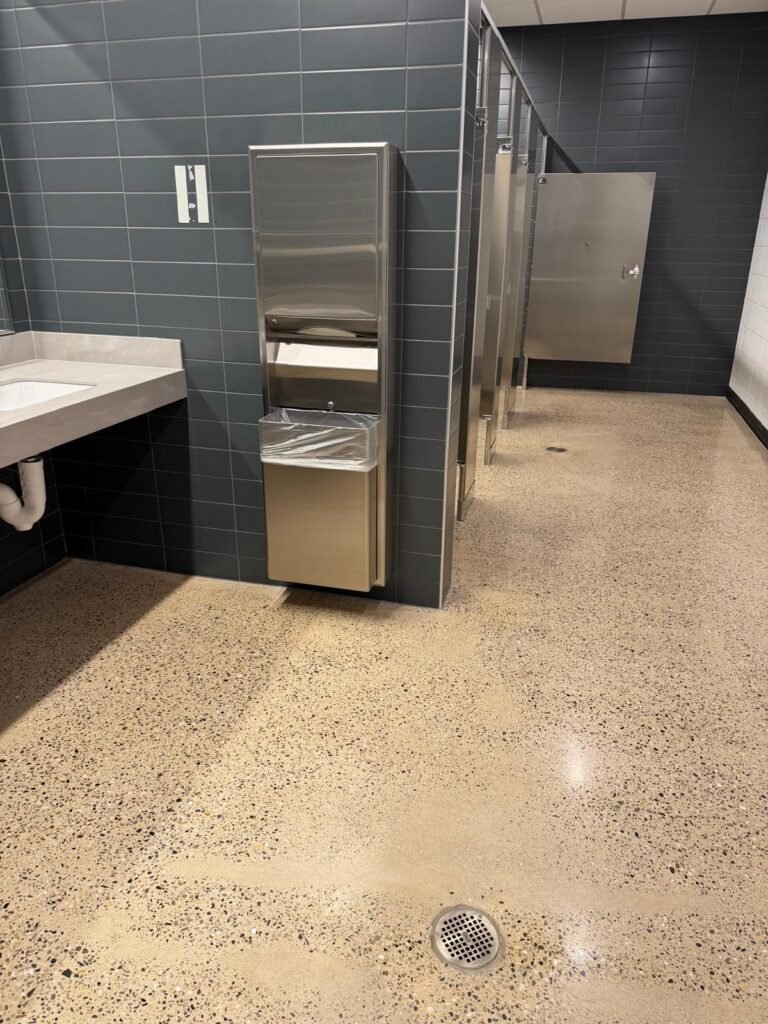
A cleaning schedule should identify who checks soap, tissue, paper towels and other agreed consumables. Confirm who purchases stock and where replacements are kept. When reviewing employee health and productivity priorities, include practical problems such as staff repeatedly searching for supplies or having no clear contact for a broken dispenser. Separate routine restocking from repairs. Our restroom cleaning checklist helps organize tasks, frequencies and follow-up responsibilities for these shared employee facilities.
6. Make access and reporting predictable
Explain restricted rooms, occupied desks, meeting patterns and the hours work can take place. Ask how missed access is reported and what happens next. For employee health and productivity reviews, useful evidence includes whether an agreed task was accessible and completed, not an assumption that the whole building was serviced because the team attended. Name a contact and a backup for the service window. If an area is regularly unavailable, revise the access arrangement rather than repeating an unresolved exception every visit.
7. Check the result without promising an outcome
Review completed tasks, repeated concerns, supply interruptions and access exceptions after normal operating days. These observations help assess whether the cleaning plan is working as agreed. Employee health and productivity figures are influenced by many conditions and should not be attributed to cleaning alone without an appropriate assessment. Keep the service review focused on what the provider and site team can check: the defined rooms, tasks, schedule, communication process and any agreed corrective action.
Why indoor-air concerns need a broader response
The EPA office-building guide to indoor air quality describes indoor conditions as an interaction of pollutant sources, ventilation, moisture and other factors. Housekeeping is one part of that picture. A clean-looking room does not prove its air quality is satisfactory, and wiping a vent does not replace HVAC maintenance. When employee health and productivity concerns include the indoor environment, report the observed problem to the responsible building contact and coordinate the appropriate assessment.
Keep the report factual: identify the room, when a condition is noticed and any visible building issue. Avoid assigning a diagnosis or collecting personal medical details in a routine cleaning log. Ask the appropriate responsible team to review the concern and define any required action. Continue the agreed cleaning work while maintaining a separate record of the referral. This prevents a general cleaning request from becoming an unsupported promise to solve every aspect of an employee health and productivity concern.
Build a cleaning scope employees can understand
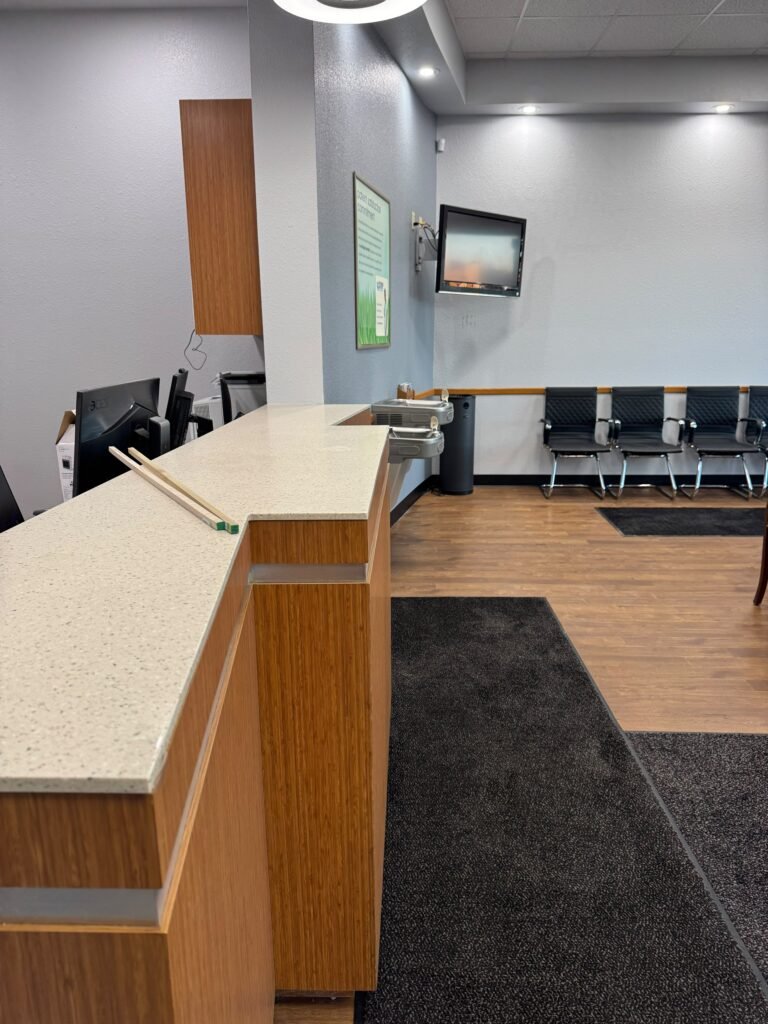
List reception, work areas, meeting rooms, restrooms and kitchens separately. Define accessible surfaces and the work that occurs at each frequency. Explain how papers, personal belongings and electronics are handled. If employees need to prepare a space, give them a clear deadline and a contact for questions. Employee health and productivity discussions are more useful when responsibilities are visible, so staff understand which concerns to report and which tasks are included in the provider’s normal visit.
Connect the room list with your office cleaning service scope. Keep periodic carpet care and any assessed floor maintenance separate from routine visits. A general monthly description does not show whether a particular treatment is included. Ask about the proposed method, surface suitability and access restrictions before booking a project. Keep the final agreement where your site contact can use it during reviews rather than relying on a verbal description from the original sales conversation.
A practical first-month review
Agree on a review after the cleaning team has experienced ordinary working days. Invite the person who checks the building and the person who receives service reports. Bring specific examples from the completion record. If the same concern returns, discuss whether it relates to access, frequency, supplies or execution. Record the next step and a follow-up owner. This gives employee health and productivity conversations a practical facilities-management component without treating every workplace outcome as a cleaning performance measure.
When occupancy, hours or room use changes, revisit the affected tasks and service window. Put revised responsibilities and any price difference in writing before the new arrangement begins. If the budget is constrained, compare options by scope rather than removing visits without considering which rooms lose attention. Our commercial cleaning cost guide and office contract checklist help structure that discussion and keep assumptions visible to purchasing staff and the on-site team.
Employee health and productivity questions
Can cleaning guarantee fewer sick days?
A general cleaning service should not promise a specific reduction in absence or illness. Define the required cleaning tasks and review delivery against that scope. Health and attendance outcomes involve other factors and appropriate workplace processes. If the facility has specialist requirements, involve the responsible team before the cleaning scope is agreed. Keep the provider’s role clear and separate from medical advice, occupational-health decisions or technical building assessments that require the appropriate expertise.
What should staff report to the cleaning contact?
Report observable concerns such as a missed task, an overflowing bin, an empty dispenser or an unavailable room. Include the location and timing so the issue can be reviewed. Send equipment faults and building defects to the correct maintenance contact. Employee health and productivity concerns involving symptoms or personal information should follow the organization’s appropriate channels, rather than being added to photographs or notes circulated as routine cleaning reports.
How can a walkthrough help?
A walkthrough lets the provider and site contact review the actual spaces, usage and access together. Bring your room list, operating hours and current cleaning concerns. Champion Facility Solutions can discuss a written scope for your Michigan workplace. Book a complimentary facility walkthrough or call 269-478-0101. Coverage, crew availability and the final tasks are confirmed for the individual property before recurring service is scheduled.
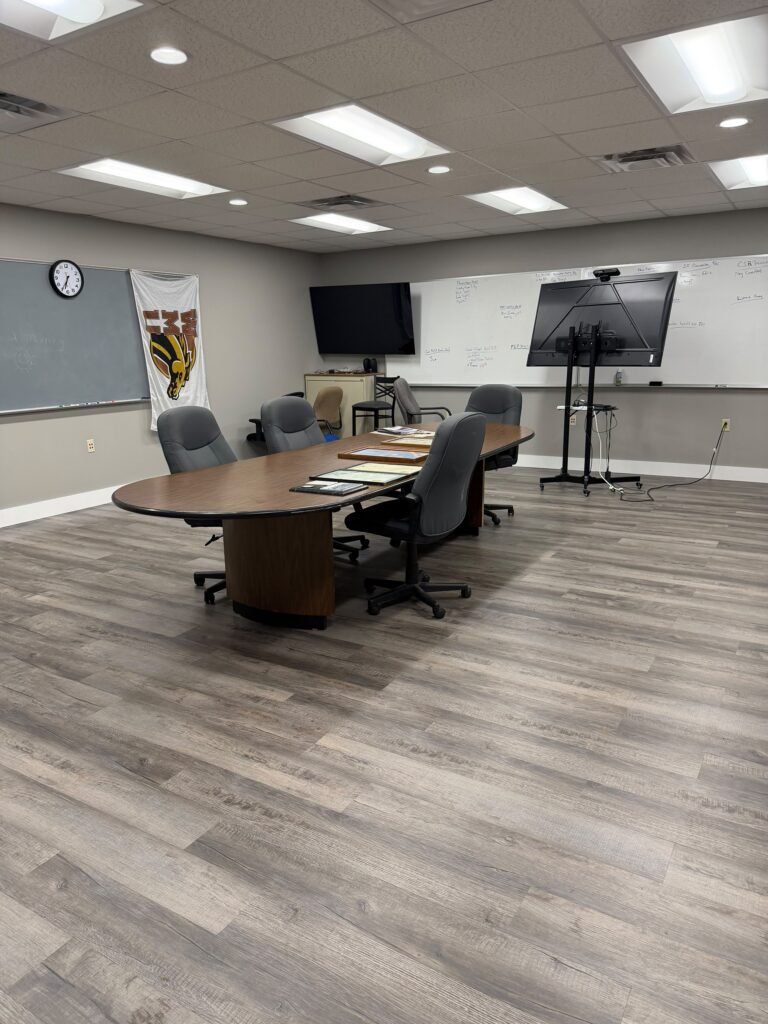
For several properties, use a consistent service-review format with an individual room list for each location. Name the person who receives reports at each building and record the agreed review date. Keep unresolved cleaning and maintenance items visible until their respective owners confirm the next step, so a shared report does not leave responsibility unclear.