1. Implement a Regular Cleaning Schedule
A regular cleaning schedule is vital for maintaining cleanliness and order in an industrial workspace. Develop a schedule that includes daily, weekly, and monthly cleaning tasks to ensure that all areas are addressed systematically. Regular cleaning helps prevent the buildup of dirt, dust, and debris that can pose safety hazards.2. Use Appropriate Cleaning Supplies and Equipment
Industrial environments require specialized cleaning supplies and equipment to handle tough dirt and grime. Ask the provider to assess products and equipment for the actual surface, soil and site requirements before agreeing on a method. Ensure that cleaning equipment, such as industrial vacuums and scrubbers, are well-maintained and suitable for the tasks at hand.3. Train Employees on Cleaning and Safety Protocols
Proper training is essential for maintaining a clean and safe industrial workspace. Train employees on cleaning protocols, the correct use of cleaning supplies and equipment, and safety procedures. Encourage a culture of cleanliness and safety by emphasizing the importance of maintaining a tidy and hazard-free environment.4. Focus on High-Traffic and High-Touch Areas
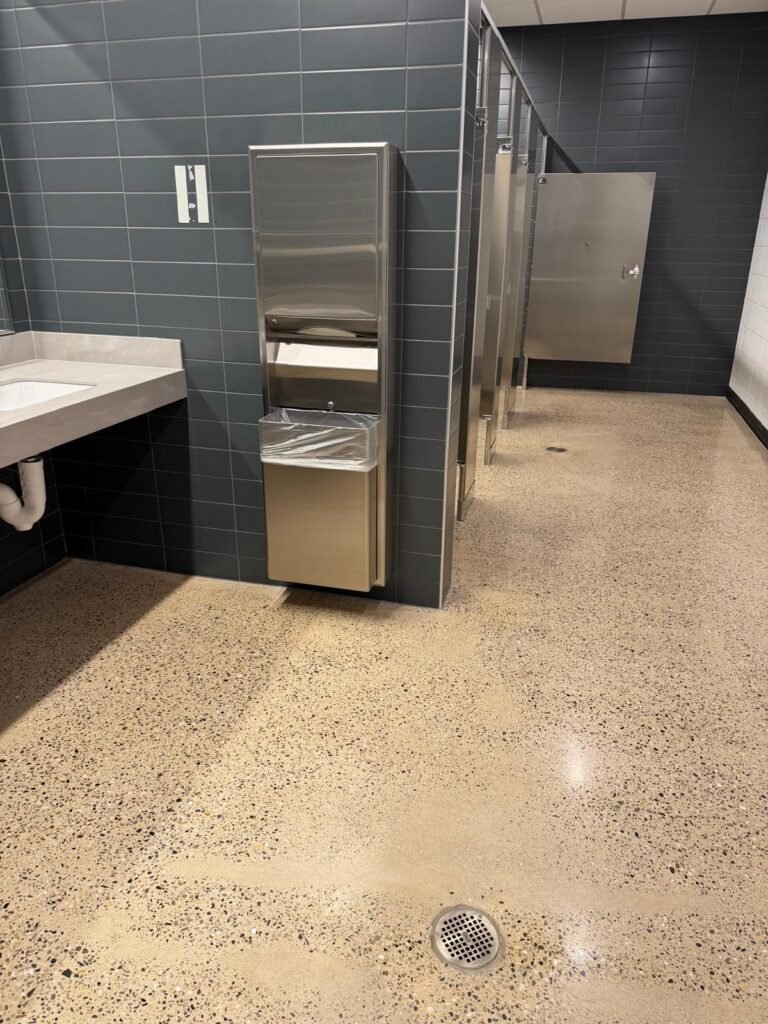
High-traffic and high-touch areas, such as entryways, restrooms, break rooms, and shared workspaces, require more frequent cleaning and disinfecting. Pay special attention to these areas to prevent the spread of germs and maintain a clean and hygienic environment. Specify the cleaning and any separately required disinfection tasks, with suitable products and label directions.5. Address Spills and Hazards Immediately
Promptly addressing spills and hazards is crucial for maintaining a safe industrial workspace. Follow the site’s approved response and reporting procedures. Unknown residues, hazardous materials and specialist spill response should not be assumed to belong in a general cleaning scope.6. Maintain Equipment and Machinery
Regular maintenance of equipment and machinery is essential for preventing breakdowns and ensuring safe operation. Follow manufacturer guidelines for cleaning and maintenance, and schedule regular inspections to identify and address potential issues. Machinery cleaning needs an explicitly assessed scope and the appropriate site controls; do not treat it as an automatic part of routine janitorial work.7. Keep Walkways and Exits Clear
Clear walkways and exits are essential for preventing accidents and ensuring safe evacuation in case of an emergency. Regularly inspect and clean walkways, removing any obstacles, debris, or spills that could pose a tripping hazard. Ensure that emergency exits are unobstructed and clearly marked.8. Implement Waste Management Practices
Proper waste management is crucial for maintaining a clean and safe industrial workspace. Provide adequate waste disposal bins and ensure that they are emptied regularly. Separate ordinary waste and recycling arrangements from hazardous materials and other waste requiring specialist handling. Train employees on proper waste disposal practices.9. Conduct Regular Safety Audits
Regular safety audits help identify potential hazards and areas for improvement in your industrial workspace. Keep routine cleaning reviews separate from the employer’s inspection, maintenance and specialist safety responsibilities. Give concerns a named follow-up owner and an appropriate reporting route.Define the industrial workspace cleaning boundary
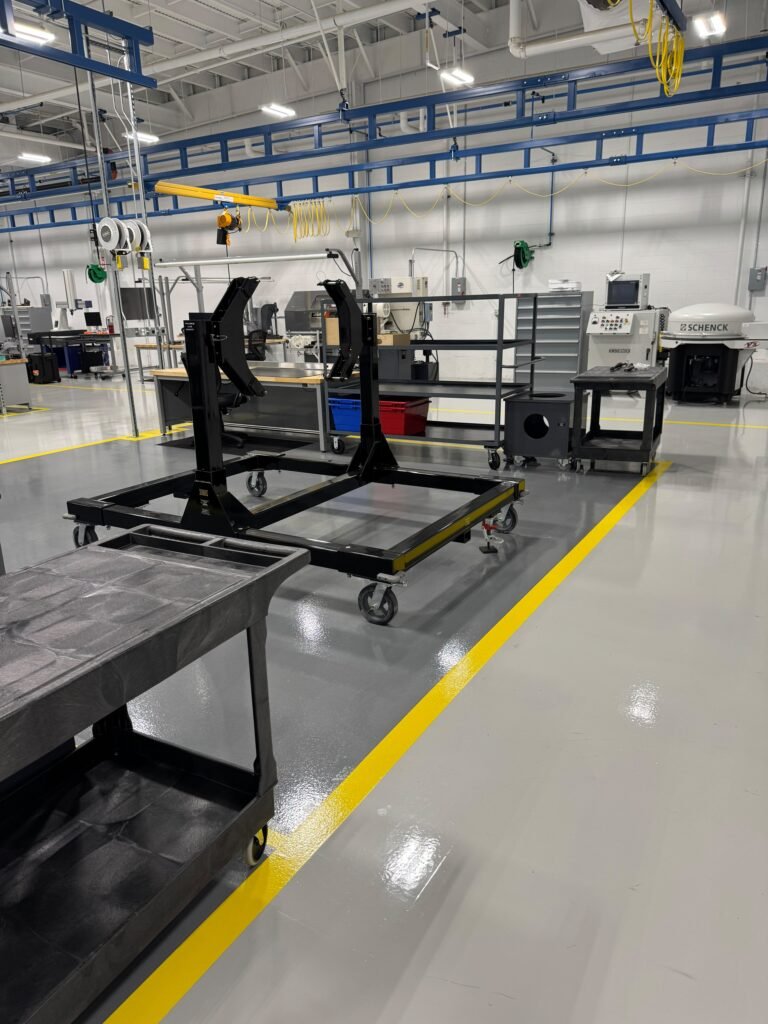
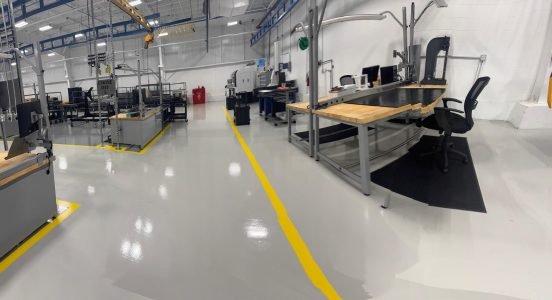
Before requesting proposals, divide the industrial workspace into practical zones. Include accessible operational floors, entrances, dispatch offices, restrooms, breakrooms and any other agreed employee areas. Mark restricted spaces and equipment that the general cleaning team must not touch. Ask the operations contact to join the walkthrough so the provider understands traffic, shift patterns and access. A zone map is more useful than a single instruction to clean the whole plant without explaining where ordinary janitorial work ends.
Identify who releases each area for cleaning
Agree who confirms that a zone can be entered and when the work may start. In an industrial workspace, deliveries, vehicle movement and production schedules can change the access available during a visit. Record the expected window beside each zone and name a backup contact. If access is unavailable, the team should report the exception through the agreed process. Do not let a blocked area disappear from the record or leave a cleaner to improvise a route around active operations.
Describe the work with a task and surface
Use specific entries such as agreed waste collection in a named employee area or accessible floor cleaning in a defined aisle. The industrial workspace scope should identify the material and the assessed method where relevant. A broad word such as deep clean does not explain what is included. Keep elevated work, sensitive inventory, machinery, restricted technical rooms and hazardous substances outside the general scope unless separately assessed and expressly agreed with the appropriate site procedures.
Build a practical service record
For each industrial workspace zone, record the task, planned frequency, access window, completion date and exception. Add the person receiving reports and the follow-up owner for unresolved matters. Keep routine entries short enough for the team to complete during an ordinary visit. A useful record should distinguish completed work from missed access and a maintenance defect. Repeated ticks with no defined task tell a facility manager very little about what actually happened.
Keep maintenance referrals separate
A leak, damaged floor coating, broken fixture or equipment fault needs the appropriate site response. Record the location, concern and time reported, then assign the referral to the responsible contact. The industrial workspace cleaning record can support communication without replacing the maintenance system. If the same defect appears repeatedly, follow up on its status rather than assuming another cleaning visit will resolve the underlying condition. Keep the agreed cleaning tasks visible alongside any access restrictions created by the issue.
Review recurring access problems
If a loading area or aisle is unavailable at every scheduled visit, compare the service window with the actual operating pattern. Ask the industrial workspace contact whether the area can be released at another time or whether a revised scope is needed. Put the new arrangement and any price change in writing before it starts. A practical review should resolve the reason for repeated exceptions, rather than simply adding more reminders to a schedule the site cannot accommodate.
Include employee facilities in the same discussion
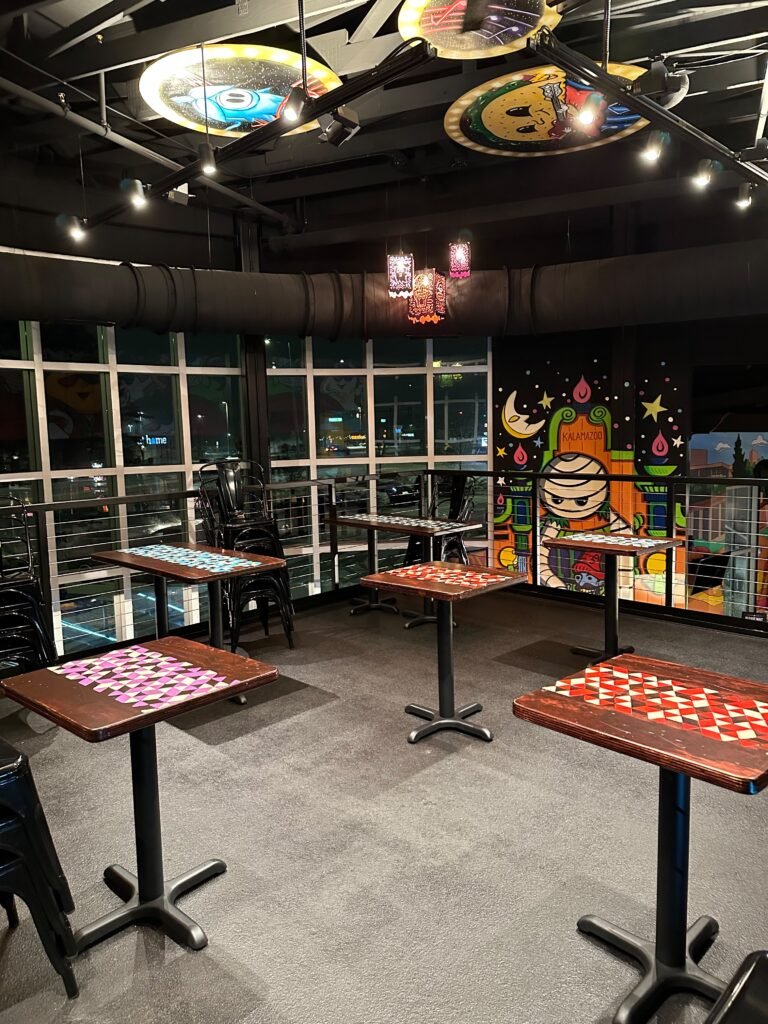
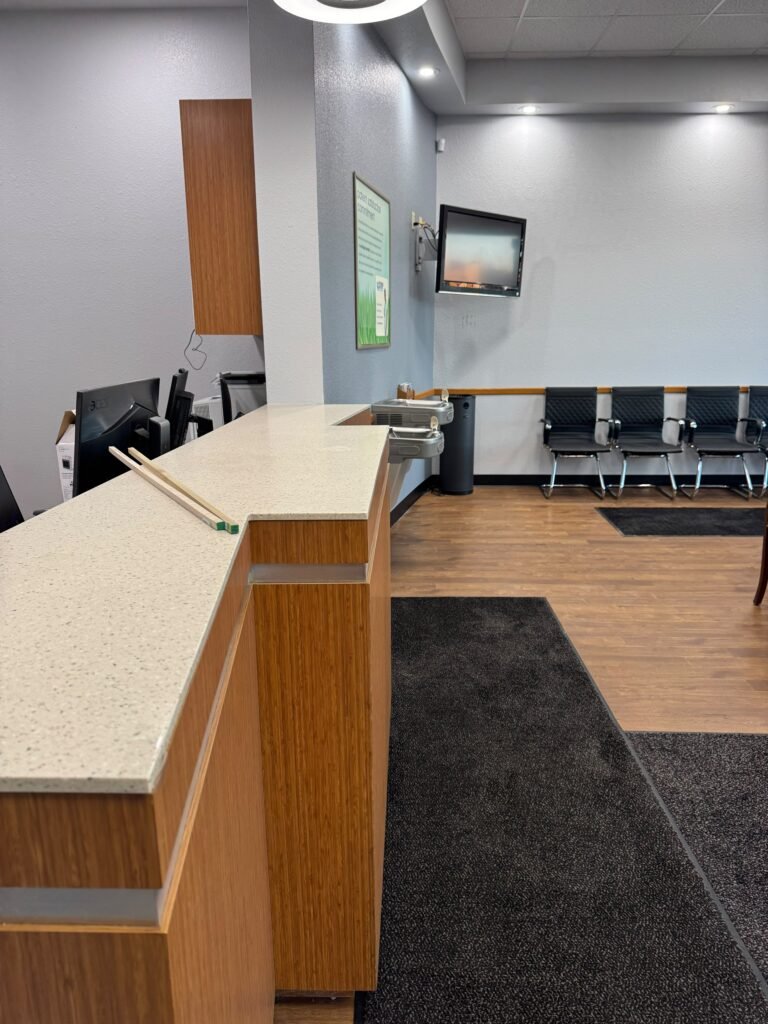
Operational floors are only part of an industrial workspace. Restrooms, kitchens, locker areas and dispatch offices can need their own tasks and frequencies. Review those spaces around actual use, including meal breaks and shift changes. Our restroom cleaning checklist helps identify supply responsibilities and reporting arrangements. Confirm who buys consumables, where stock is stored and who reports low inventory. Cleaning a room and ensuring enough supplies for the next shift are different responsibilities that should both be assigned.
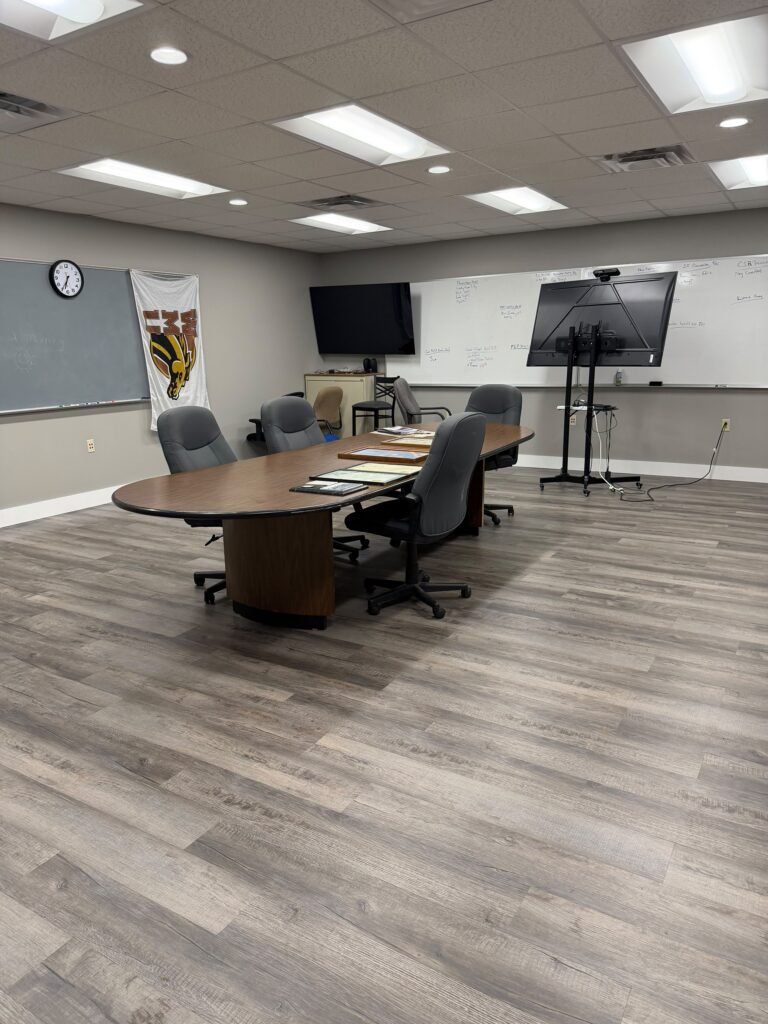
For administrative spaces within the industrial workspace, discuss accessible desks, meeting rooms, interior glass and carpets separately from the operational floor. Keep papers, electronics and personal belongings subject to an agreed approach. Our office cleaning information outlines common areas to consider. The final proposal should make it easy to see which work applies to each zone instead of assuming that one general plant-cleaning description covers every room identically.
Compare industrial cleaning proposals fairly
Give each provider the same zone map, operating hours and access requirements. Compare included tasks, visits, supplies, initial projects, periodic care and exclusions. An industrial workspace proposal based on open aisles is different from one assuming restricted access around stored materials. Ask what happens if the agreed area is not released for the visit. Review the commercial cleaning cost guide for other scope and budget questions, and keep all clarifications with the final agreement.
Define how additional work is assessed and approved. Identify who in your organization can authorize a revised task or extra visit. Keep routine warehouse cleaning separate from specialist requirements that need another assessment. If the industrial workspace changes its layout, shift pattern or occupancy, revisit the affected zones and service window. Share the revised scope with operations staff and the people checking and completing the work so everyone uses the same current instructions.
Industrial workspace cleaning questions
Does a janitorial contract guarantee site compliance?
A general cleaning contract should not be treated as a guarantee that every applicable site requirement is satisfied. The employer’s own responsibilities, inspections and specialist procedures need appropriate oversight. For general housekeeping context, refer to OSHA’s walking-working surface requirements. Define the provider’s assessed tasks alongside those site arrangements. Ask questions about any unclear boundary before the work starts rather than assuming the contract covers all safety or technical responsibilities.
Can one plan cover the warehouse and offices?
Yes, when each area has a defined scope. Give operational zones and employee facilities their own tasks, access windows and frequencies. Use our warehouse cleaning checklist to prepare for the walkthrough. A coordinated agreement can simplify reporting while still recognizing the different surfaces and operating needs in each space. Confirm what is excluded and how additional work is assessed, especially where machinery or restricted technical areas sit beside ordinary office facilities.
How should we start the assessment?
Bring the zone map, shift schedule, current concerns and known surface-care instructions. Involve the person who can explain access and the person who checks the cleaning work. Champion Facility Solutions can discuss an assessed scope for your Michigan industrial workspace. Book a complimentary facility walkthrough or call . Explore our industrial cleaning service information before the visit; coverage and availability are confirmed for each property.