A comprehensive cleaning schedule connects each office area with a task, frequency, access window and responsible person. It should be usable by the people doing the work and the person checking it, not just a calendar of visits. Start with the rooms employees and visitors actually use, then identify recurring tasks and separately assessed projects. For Michigan office managers, a clear schedule makes it easier to plan access, manage supplies and review the service when occupancy or priorities change.
This guide explains eight steps for building a comprehensive cleaning schedule. The examples are planning prompts, not fixed requirements for every building. A busy restroom may need a different checking pattern from a quiet meeting room, while floor treatments depend on the surface and its condition. Agree on the tasks your provider will complete, the work retained by staff and the concerns that go to building maintenance. Keep one current version so those responsibilities remain clear.
8 steps to build a comprehensive cleaning schedule
1. Inventory rooms and normal use
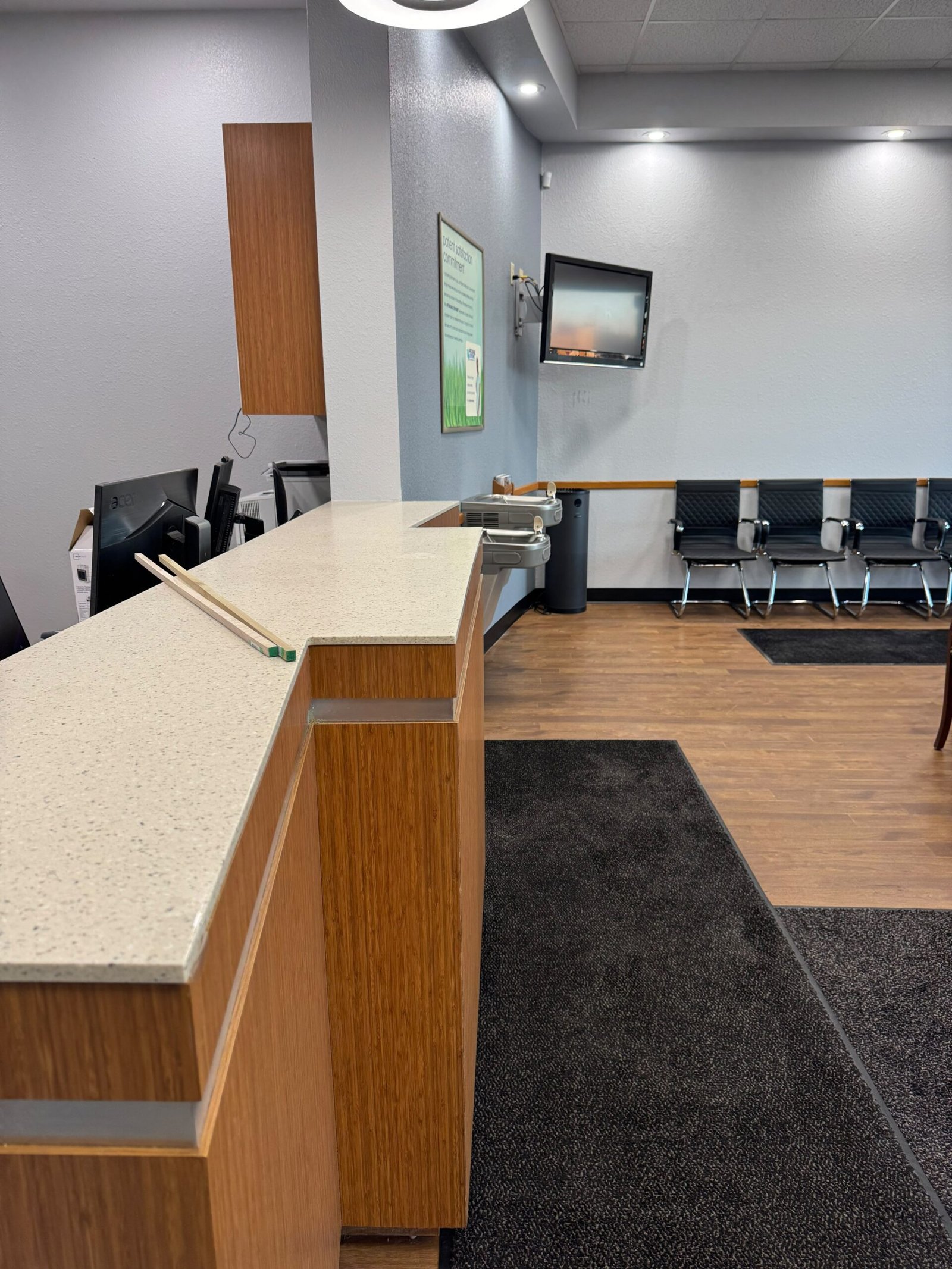
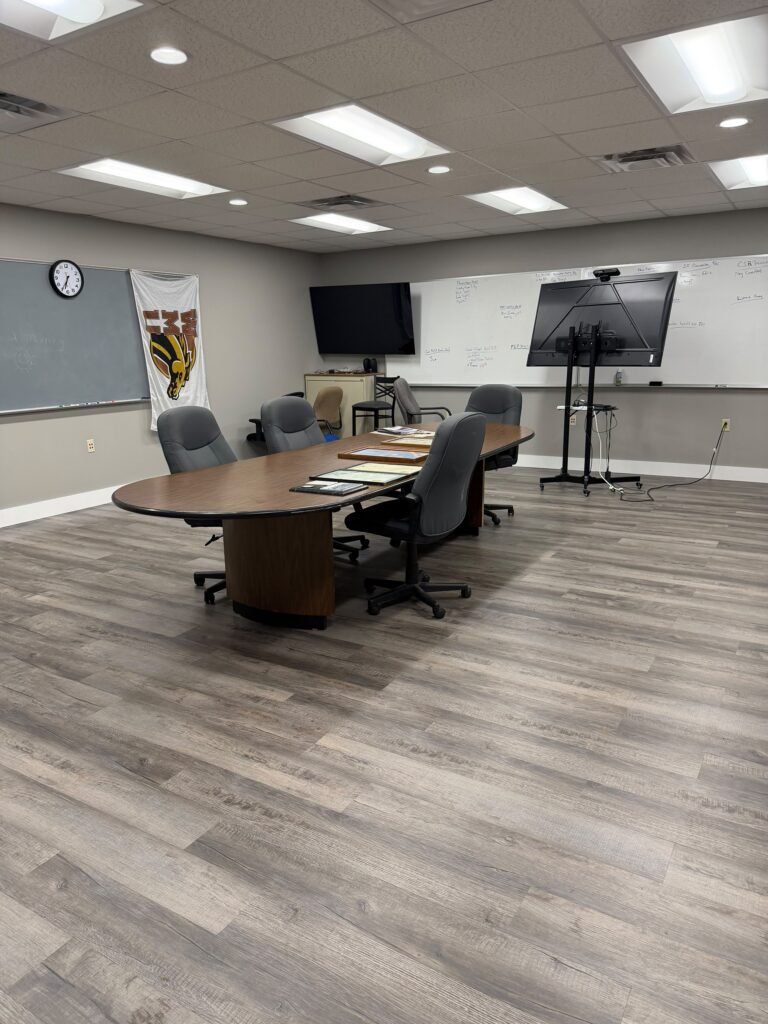
Walk reception, offices, meeting rooms, restrooms, kitchens, shared routes and storage spaces. Record occupancy, visitor patterns and the times rooms become available. A comprehensive cleaning schedule should reflect those differences rather than assign every area the same routine. Ask the person who reports everyday cleaning issues to join the walkthrough. They may know about a room that stays locked, a busy lunch period or a supply cupboard that purchasing staff have not considered.
2. Describe tasks in observable terms
Write the room and the agreed action together. Waste collection in a named office is more specific than general cleaning, while an accessible-surface task should explain how papers and personal items are handled. The comprehensive cleaning schedule should distinguish routine cleaning from any separately required disinfection process. Use products suitable for the intended task and surface. Keep electronics, sensitive materials and restricted areas subject to an agreed approach rather than leaving the team to decide what can be moved or treated.
3. Assign frequencies by condition and usage
Discuss the work required at each visit and the tasks completed periodically. Do not assume all floor care belongs on a weekly calendar or that every carpet needs monthly extraction. The comprehensive cleaning schedule should use the assessed condition and relevant maintenance instructions. Review shared facilities around their busy periods. Where a supply check is needed between provider visits, identify who performs it. A frequency is useful only when everyone understands which task happens at that interval.
4. Name the owner of each activity
Assign one responsible party for the provider’s work, internal preparation, consumable purchases and maintenance referrals. A comprehensive cleaning schedule can coordinate those activities without making the cleaner responsible for every building concern. Confirm who replenishes available soap and paper products and who purchases replacements. State who clears personal belongings and who can release a locked room. If responsibility is shared, describe the handover so a task is not missed because both people assume the other will do it.
5. Set access windows and exception handling
Match the service window to meetings, opening hours and any building-management rules. List key, access-card, escort and alarm arrangements through the appropriate site process. A comprehensive cleaning schedule should explain what happens if entry fails or a room remains occupied. Name a contact and a backup for the work window. Record missed access with a reason and an agreed next step instead of marking the task complete or repeatedly leaving the same exception unresolved.
6. Separate periodic projects from recurring visits
Put assessed carpet treatment, detail work and other approved projects on a separate list with a review or service date. Keep preparation responsibilities and return-to-use restrictions beside the project. Your comprehensive cleaning schedule should not imply that routine vacuuming includes extraction or that mopping includes stripping and waxing. Review our commercial carpet cleaning and floor-care planning guide when discussing the appropriate scope for those surfaces.
7. Record completion and follow-up
Use a simple record with the room, task, completion time and exception. Add the person receiving a report and the follow-up owner where needed. The comprehensive cleaning schedule should make it possible to distinguish completed work from unavailable access, a supply shortage and a maintenance defect. Keep notes factual and avoid including confidential documents or personal information in photographs. A short useful record is easier to review than a page of ticks that does not define the work performed.
8. Review and control revisions
Agree on an early review after normal working days. Check access, supplies and whether the task frequencies fit actual use. Revise the comprehensive cleaning schedule when occupancy, layout or operating hours changes. Put approved tasks, service days and any price difference in writing before the new arrangement begins. Give the latest version to the provider and your site team. Remove superseded copies from routine use so employees are not reporting against a different schedule from the cleaning team.
A practical format for your office calendar
Use the same fields for every room so omissions are easy to spot. The examples below show how to structure entries; the actual intervals must be agreed for your building. Keep daily operational checks distinct from the cleaning provider’s visits. A comprehensive cleaning schedule can include both, provided the responsible party and task are clear. For several properties, use a consistent format with a separate room list and access plan for each location.
Keep routine cleaning and disinfection clear
The EPA explanation of cleaning, sanitizing and disinfecting distinguishes these processes and emphasizes product label directions. Specify any required disinfection task rather than assuming a general surface-cleaning entry covers it. Specialist settings need their own applicable procedures and appropriate oversight. The comprehensive cleaning schedule should record the agreed work accurately without serving as a blanket promise that every room receives the same treatment or that all site requirements have automatically been satisfied.
How to use the schedule during a service review
Bring the room list, recent completion records and specific concerns to the discussion. Ask whether the repeated issue is access, preparation, supplies, frequency or execution. A busy kitchen may need its timing reviewed, while an inaccessible office may need an entry arrangement. Keep the next step and follow-up contact in writing. A comprehensive cleaning schedule is most useful when the review resolves the reason for a recurring exception rather than simply asking the team to pay more attention.
Compare proposed changes by scope and workload, not just the number of visits. A reduction in lower-use detail work is different from removing restroom attention during busy periods. Ask what each revised option includes and excludes. Use our commercial cleaning cost guide for questions about supplies, initial work and periodic care. Keep the approved amendment with the service agreement so purchasing staff and the person checking the rooms can refer to the same arrangement.
Comprehensive cleaning schedule questions
Does every task need a daily, weekly or monthly label?
Use intervals that describe the agreed work clearly. Some activities are tied to each visit, some to operational checks and some to an assessed periodic project. Avoid forcing every item into a standard calendar category if its timing depends on access or condition. Confirm what triggers a review and who can approve the work. The person using the record should be able to tell what is due and whether it belongs to the provider, internal staff or maintenance.
How should we schedule restocking?
Review actual usage rather than assuming one weekly supply check suits every restroom. Identify who checks stock during operating hours and who replenishes from available inventory. Keep purchases, storage and shortage reporting clearly assigned. Our restroom cleaning checklist helps prepare those entries. If the building needs daytime coverage beyond the recurring visit, discuss day porter support as a separate arrangement with defined hours and responsibilities.
Can staff keep some tasks in-house?
Yes. A coordinated arrangement can leave preparation, selected checks or specific rooms with your staff while a provider performs the agreed recurring work. Write that boundary clearly and explain how concerns are handed over. Do not assume that using an outside provider removes every internal reporting responsibility. Keep building defects and specialist work with the appropriate responsible team. Review the arrangement when staffing or room use changes so retained tasks do not become overlooked.
What should we bring to a walkthrough?
Bring a room list, operating hours, occupancy, current concerns and known flooring or surface-care information. Ask the person who normally checks the cleaning to join the visit. Champion Facility Solutions can discuss a comprehensive cleaning schedule for your Michigan workplace. Book a complimentary facility walkthrough or call 269-478-0101. Review our office cleaning information and contract checklist when preparing your questions.
| Area | Task to define | Timing to agree | Responsible party |
|---|---|---|---|
| Reception | Accessible floors and agreed surfaces | Scheduled visit and any interim checks | Provider and named site contact |
| Restrooms | Cleaning, stock checks and replenishment | Match usage and operating hours | Assign cleaning and purchasing separately |
| Meeting rooms | Waste, accessible surfaces and floors | When rooms are available | Provider; staff prepare personal items |
| Periodic floor care | Separately assessed treatment | Approved project window | Assessed provider and approving contact |