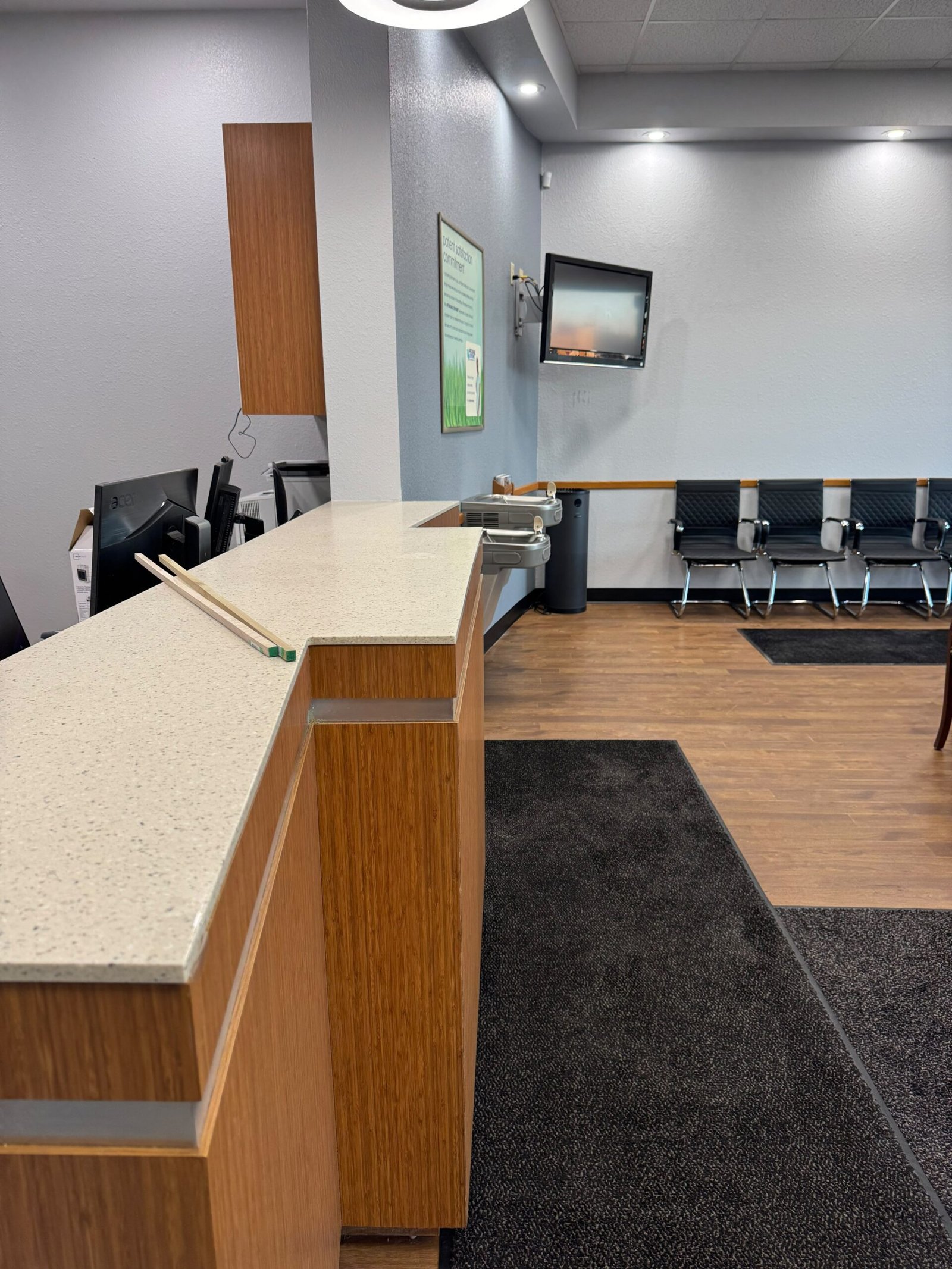
A spring cleaning checklist gives office managers a way to review the rooms, surfaces and storage areas that routine visits may not cover in detail. Start with a walkthrough and assign each task to the right person before booking work. Some items belong to the cleaning provider, some need employee preparation and others require building maintenance. For Michigan offices, the aim is a practical seasonal reset with clear access, a written scope and a manageable handover back to the normal cleaning routine.
Use this spring cleaning checklist alongside your existing service calendar. It is a planning tool, not a reason to treat every carpet, floor or piece of equipment in the same way. Record the condition you see, confirm the appropriate method and separate essential work from optional projects. A short list of agreed priorities is more useful than a long instruction to deep clean everything without identifying the rooms, timing or responsibilities.
10 steps for your office spring cleaning checklist
1. Walk the office before setting priorities
Visit reception, meeting rooms, work areas, kitchens, restrooms and storage spaces with the person who normally raises cleaning concerns. Look for accessible surfaces needing detail work, accumulated items that restrict access and supplies that are difficult to find. Add a room name to each entry on the spring cleaning checklist. Distinguish visible soil from damage or a maintenance problem. A stained carpet and a leaking fixture may both need attention, but they should not be assigned the same response.
2. Ask employees to prepare their own workspaces
Give staff advance notice of the rooms and surfaces being serviced. Ask them to clear personal belongings and secure papers according to your organization’s approved procedures. The spring cleaning checklist should not authorize a cleaner to decide which documents, electronics or personal items can be discarded. Name the person who can answer questions about an occupied desk. Confirm whether the cleaning scope covers only clear accessible surfaces, and keep any document-management project separate from the cleaning visit.
3. Assess carpets by traffic and condition
Record reception routes, corridors and meeting rooms separately from quieter offices. Note recurring spots and any previous treatments you know about. Add an assessment to the spring cleaning checklist rather than assuming every carpet needs the same process. Ask the provider how the proposed work fits the carpet’s care instructions and your access window. Our guide to choosing a professional carpet cleaner explains questions about preparation, scope and return to use.
4. Identify hard floors before booking restoration
List the materials present in each room and gather maintenance records where available. Routine cleaning, an applied finish and a factory-finished surface need different consideration. Use the spring cleaning checklist to flag areas for assessment, not to instruct stripping or waxing automatically. Discuss suitability, existing condition and reopening arrangements before approving treatment. Review our commercial floor-care planning guide when separating ordinary floor cleaning from an assessed restoration project.
5. Review windows, blinds and reachable detail areas
Identify the interior glass, blinds, ledges and other accessible areas included in the request. Clarify the boundary between routine reachable cleaning and work requiring specialist access or equipment. Do not assume exterior glass or elevated fixtures are included because the spring cleaning checklist mentions windows. Ask who removes items from ledges and how delicate fittings are handled. Mark inaccessible areas and agree on the appropriate next step instead of leaving the provider to improvise around an unclear instruction.
6. Give breakrooms a preparation plan
Specify counters, tables, sinks, appliance exteriors and the other agreed surfaces. If appliance interiors are requested, confirm who removes food and personal items before work begins. A spring cleaning checklist should name that preparation task and its deadline. Staff food and stored belongings should follow the organization’s own decisions and procedures. Review the room after a normal lunch period as well as at opening, since the time of day can change which areas need attention most.
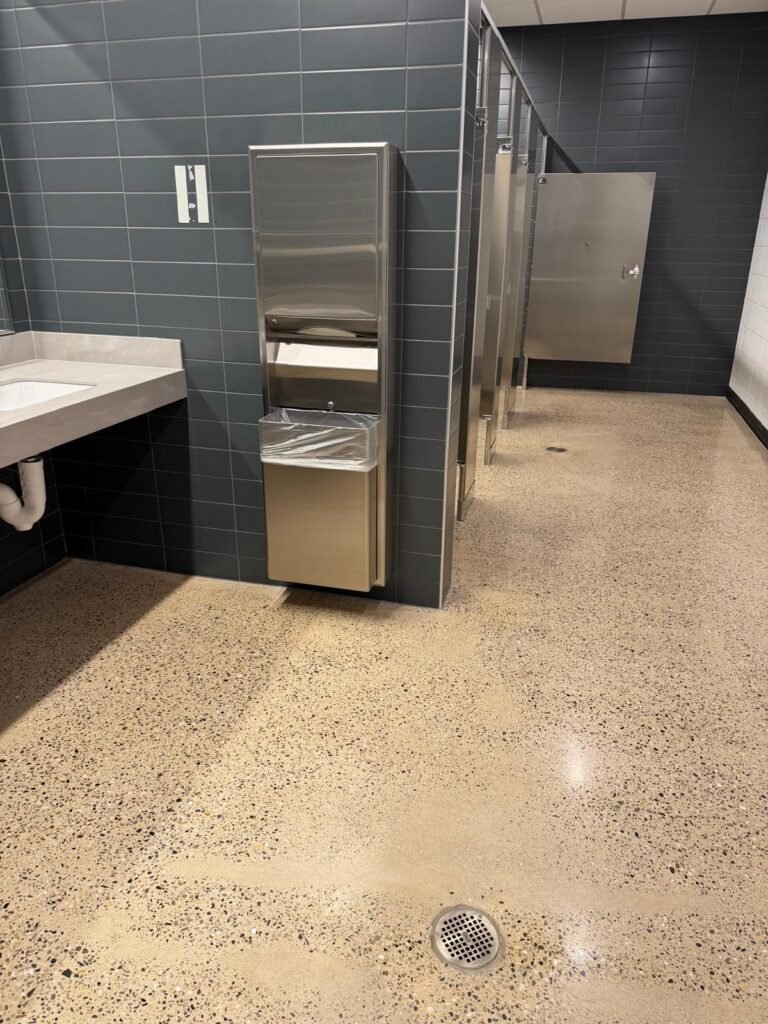
7. Inspect restrooms and supply arrangements
List fixtures, dispensers, partitions, agreed surfaces and accessible floors separately. Add detail work by condition and confirm the products and methods appropriate for the materials. Use the spring cleaning checklist to distinguish cleaning from repairs to leaking taps, broken dispensers or damaged fittings. Review who buys soap and paper products and where replacement stock is stored. Our restroom cleaning checklist provides a fuller room-specific framework for tasks, supplies and reporting.
8. Organize supply and storage areas with permission
Ask the responsible department to identify what is retained, relocated or approved for disposal. Keep that decision separate from the cleaning work. Once space is cleared, agree which accessible shelving, surfaces and floors will be cleaned. The spring cleaning checklist should show who prepares each area and when it becomes available. Check that cleaning materials are stored through the site’s approved arrangements and that routine stock is easy for authorized staff to locate after the reorganization.
9. Send maintenance concerns to the building team
Record issues with ventilation, leaks, damaged surfaces, lighting or equipment as maintenance referrals. A spring cleaning checklist can help identify them without assigning technical work to a general cleaner. Ask the appropriate responsible person to arrange any assessment or repair. Keep the room, concern, date reported and follow-up owner in the record. A detail-cleaning visit should not be treated as a substitute for equipment servicing or as a promise to resolve a persistent moisture problem.
10. Check the result and update the routine
Walk the agreed areas with the site contact after the project, following any access restrictions for completed work. Compare the result with the written tasks and record exceptions. Close the spring cleaning checklist only when each entry has a completed action, an agreed exclusion or a named follow-up owner. Review whether some concerns should become periodic tasks in the recurring contract. Keep a current scope so the seasonal project does not become a separate record that nobody consults again.
Schedule the project around ordinary office activity
Check meeting-room bookings, late-working departments and visitor appointments before agreeing on dates. List the rooms that can be unavailable and those that must remain accessible. Tell staff what they need to prepare and when access will be restricted. If the work is phased, identify which areas are included on each date. The spring cleaning checklist should travel with the schedule so the provider and office manager can see the relationship between preparation, cleaning and reopening.
Ask about the time required for the assessed work and any restrictions afterward. Do not assume a late evening appointment guarantees every treated surface is ready for normal traffic the following morning. Confirm who authorizes reopening and how an unexpected access problem is reported. Keep a backup contact for the project window. These practical arrangements are especially useful when the building manager, tenant and cleaning provider each control different parts of the premises.
Separate one-time work from recurring service
Use two lists: the seasonal project and the normal maintenance routine. A spring cleaning checklist can include tasks that happen occasionally, while recurring visits cover the agreed ongoing work. Ask which projects require a separate quote and who can approve an additional request. Compare proposals using the same room list, preparation assumptions and access window. Our commercial cleaning cost guide helps organize questions about scope, supplies, initial work and periodic services.
After the project, review how the office is used and whether task frequencies still fit. More staff, additional visitors or a revised layout can change the workload. Discuss a written amendment to the office cleaning plan where appropriate. Keep each approved change with the service calendar and share the latest version with the people checking and completing the work. This connects the seasonal review with the everyday running of the building.
Spring cleaning checklist questions
Should everything be disinfected during a spring clean?
Cleaning and disinfection are distinct tasks. Define the required work for your facility and use products according to their labels and the site’s procedures. The CDC guidance for community facilities explains when cleaning and additional disinfection are appropriate. A seasonal project is not a reason to apply one product or process indiscriminately to every material, and specialist settings need their own applicable procedures.
Can we complete the work in stages?
Discuss a phased plan when rooms cannot all be released at once. Keep the preparation deadline, service date and follow-up contact beside each room. Ask whether separate visits alter the scope or price before accepting the arrangement. A phased spring cleaning checklist should make it clear which work is finished and which areas remain pending, so staff do not assume the whole office has been serviced after the first appointment.
How do we prepare for a walkthrough?
Bring the room list, operating hours and current concerns. Include flooring information and previous maintenance records where available. Ask the person who reports everyday cleaning issues to join the visit. Champion Facility Solutions can discuss a practical scope for your Michigan workplace. Book a complimentary facility walkthrough or call 269-478-0101, then keep the agreed spring cleaning checklist with the final proposal and service schedule.