Business cleaning priorities help you decide which tasks your facility needs first, rather than buying every service on a provider’s menu. Start with the rooms people use, the surfaces present and the condition you expect after each visit. A small office, a warehouse with several shifts and a customer-facing showroom can have different priorities. For Michigan facility managers, a useful plan separates recurring work, periodic care and specialist tasks before the price is compared.
This guide reviews seven service categories and the questions that help identify business cleaning priorities for your building. Use it to prepare for a walkthrough rather than as a fixed package. Confirm the areas, methods, frequencies and exclusions in writing. Some work can remain with your staff, while other tasks may be assessed for an outside provider. The final arrangement should make those responsibilities clear to purchasing staff, the building contact and the people completing the service.
7 categories to review for business cleaning priorities
1. Recurring office and shared-space cleaning
Begin with reception, work areas, meeting rooms, kitchens and accessible shared routes. Our office cleaning services provide a starting point for the room list. Business cleaning priorities in these spaces may include agreed waste collection, accessible surface tasks and appropriate floor cleaning. Specify how papers, personal belongings and electronics are handled. Put the tasks and their frequencies beside each room rather than assuming that a general office-cleaning description includes every surface at every visit.
2. Restroom cleaning and supply checks
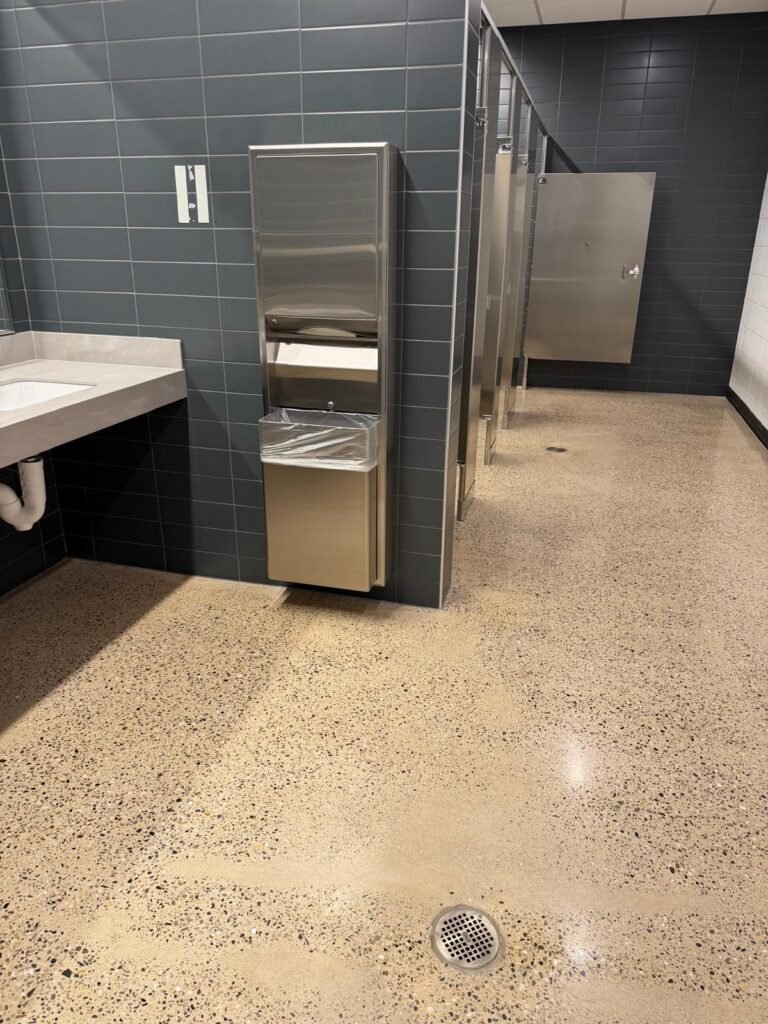
Restrooms need a task list and a separate supply arrangement. Identify the fixtures, dispensers, surfaces and accessible floor areas included. Setting business cleaning priorities includes deciding who buys soap and paper products, who replenishes available stock and who reports shortages. A room can be cleaned yet still need a supply response later in the day. Use our restroom cleaning checklist to prepare questions about usage, visit timing, periodic detail work and the reporting of maintenance defects.
3. Carpet care beyond routine vacuuming
Review reception routes, corridors and meeting rooms separately from quieter carpeted offices. Routine vacuuming and a periodically assessed carpet treatment have different roles. Business cleaning priorities should distinguish those tasks in the scope and price. Ask how the proposed method fits the carpet’s maintenance instructions, what preparation is needed and when the space can return to use. Our commercial carpet cleaning information and provider assessment guide help organize that discussion without promising that every mark can be removed.
4. Appropriate hard-floor maintenance
Identify the actual flooring before choosing a treatment. A routine floor-cleaning task does not automatically include finish restoration, and a method suitable for one surface may be inappropriate for another. Business cleaning priorities should be based on assessed condition and relevant care instructions. Ask about accessible areas, furniture handling and reopening arrangements. Review the commercial floor-care planning guide before including stripping or waxing in a proposal, rather than assuming every shiny floor needs that process.
5. Interior glass and assessed window work
List interior glass, entrance doors and other agreed reachable surfaces separately from exterior or elevated work. Confirm which areas the provider can assess and what access is required. Business cleaning priorities should not use the word windows to imply that all glazing, heights and access methods are automatically included. Ask who clears ledges and how delicate fittings are handled. Review our commercial window cleaning information when preparing the scope, with any specialist access or equipment requirements assessed before scheduling.
6. Defined periodic detail cleaning
A periodic project can address agreed areas beyond the normal visit, but deep cleaning needs a task list just as much as routine work. Business cleaning priorities should specify the rooms, accessible surfaces, preparation and exclusions. Identify who moves personal items or clears appliance interiors. Keep upholstery, delicate materials and difficult-access areas subject to an appropriate assessment. A broad project heading should not leave staff expecting every stored item, fixture and surface to receive the same treatment or be included automatically.
7. Separately specified disinfection tasks
Cleaning and disinfection are different processes. Define the required work for your setting, with suitable products used according to their labels and site procedures. The EPA explanation of cleaning, sanitizing and disinfecting provides useful context. A plan built around business cleaning priorities should not promise that a generic wipe-down satisfies every specialist requirement. If the property follows specific procedures, involve the people responsible before the provider prepares the assessed scope.
Prioritize the building before selecting a package
Walk the facility with the person who normally reports cleaning concerns. Note busy areas, rooms that remain locked and supplies that run out between visits. Identify whether the issue is a missing routine task, inadequate access, a periodic project or a maintenance defect. Business cleaning priorities should address those observed needs. A leaking tap or damaged floor may be noticed during the walkthrough, but the appropriate building contact must still arrange the relevant assessment or repair.
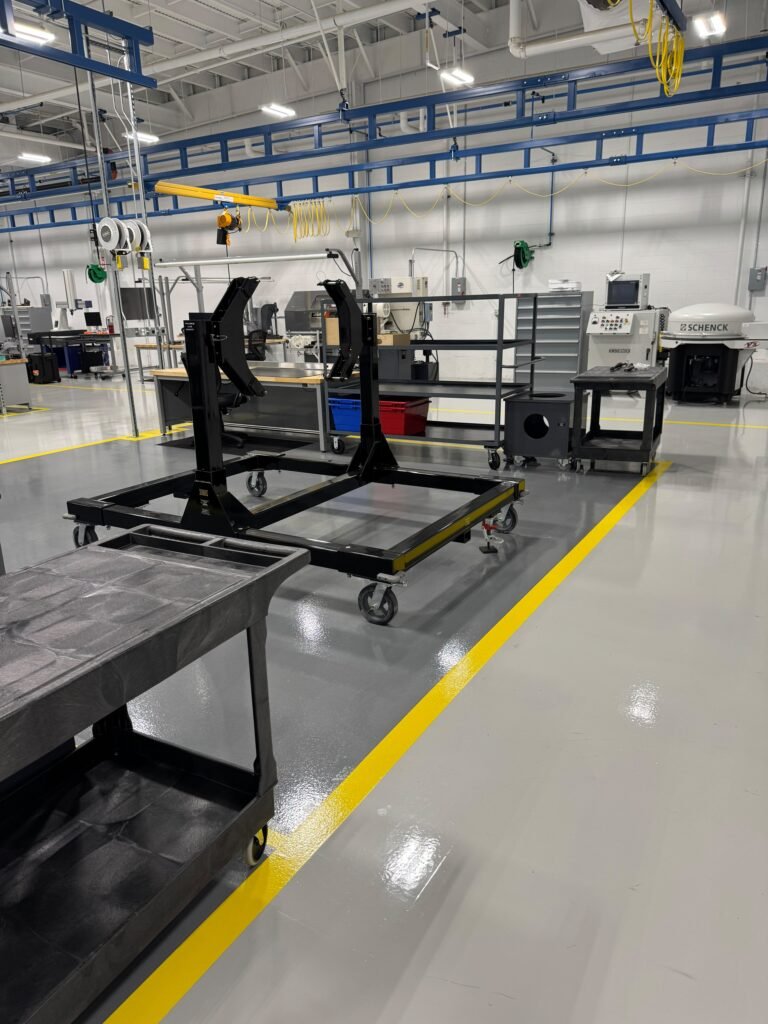
For a warehouse or industrial property, include employee facilities and offices alongside accessible operational floors. Review warehouse cleaning and industrial cleaning information to prepare questions about task boundaries. Machinery, hazardous materials, elevated work and restricted technical areas should not be assumed to belong in ordinary janitorial service. Business cleaning priorities can coordinate several zones while still giving each area its own access window, frequencies and assessed scope.
Separate recurring, periodic and specialist costs
Ask the provider to show the recurring visit price, any initial catch-up project and periodic work separately. Confirm supplies, equipment, preparation and exclusions. Business cleaning priorities are easier to compare when every bidder receives the same room list, service window and occupancy information. A monthly quote covering fewer rooms or fewer visits is a different offer, not automatically a saving on an equivalent job. Our commercial cleaning cost guide explains the factors to review before deciding.
Read how extra work is assessed and approved. Identify who can authorize an additional visit, a revised room list or a periodic project. Keep the agreed price and start date with the scope amendment. If occupancy or opening hours changes, revisit the affected tasks before continuing with old assumptions. Share the latest agreement with the site contact and the people checking the service. This makes the package easier to manage than a series of informal requests that never becomes a clear written instruction.
Questions about business cleaning priorities
Does every business need the same cleaning frequency?
No single timetable suits every room or property. Assess occupancy, visitor patterns, surfaces and the work required. A busy shared restroom can need a different checking arrangement from a quiet private office. Put each task beside its agreed frequency and review the result after ordinary operating days. Use our office cleaning schedule guide to record responsibilities and access windows. Confirm what staff should report between provider visits rather than assuming a recurring appointment covers every emerging issue.
Can we keep selected tasks with our employees?
Yes, if the responsibilities and handovers are clear. Your staff might prepare workstations, report emerging issues or retain certain areas, while a provider handles the agreed recurring tasks. Business cleaning priorities should complement that arrangement without creating uncertainty about who checks supplies or releases a room. Review the boundary when staffing or room use changes. Keep maintenance defects and specialist procedures with the appropriate responsible people, with a reporting route the site team understands.
What if we need attention during business hours?
Discuss the busy periods and tasks involved. A reception area, restroom or breakroom may need checks between recurring evening visits. Review day porter support as a separate scope with defined hours and responsibilities, subject to availability. Ask how occupied rooms and temporary access restrictions are handled. Do not assume that a night-cleaning quote includes daytime staffing, or that a daytime check completes all the tasks planned for a broader recurring visit.
How should we review the first month?
Compare the agreed tasks with completion records and specific observations from the site team. Check access, supply availability and whether timing fits actual usage. If a concern repeats, identify whether the cause is preparation, frequency, access or execution. Record the next action and follow-up owner. Our office cleaning contract checklist helps keep scope, communication and other important terms visible. Put approved changes in writing and give everyone the latest version of the task calendar.
Discuss business cleaning priorities for your Michigan facility
Champion Facility Solutions is a woman-owned Michigan business established in 2019. Bring your room list, operating hours and priorities to a complimentary facility walkthrough to discuss business cleaning priorities for the property. Call or review our commercial janitorial service information before your inquiry. Coverage, crew availability and the final tasks are confirmed for each facility before service is scheduled.
Before accepting a package, mark which concerns require an immediate decision and which can wait for a planned assessment. Ask the provider to quote those groups separately. Keep the reason for each priority beside the room or surface, so a later budget review can compare the proposed work with the building’s actual needs rather than an unexplained service list.