Green cleaning is most useful when a business can describe the products, purchasing requirements and working practices behind the phrase. A broad claim such as eco-friendly does not tell an office manager which product will be used, whether it suits the surface or how a proposed substitution will be reviewed. For Michigan commercial facilities, start with a practical specification and ask for evidence of the particular claims that matter to your organization before accepting a cleaning proposal.
This guide explains seven green cleaning checks for a purchasing and service review. It does not claim that every product described as natural is harmless, that cleaning can be chemical-free or that changing a product guarantees fewer sick days or lower costs. A useful plan connects product selection with the actual task, surface-care instructions and site procedures. Keep the final requirements with the service scope so purchasing staff and the cleaning team can use the same information.
7 green cleaning checks for commercial facilities
1. Define the claim you want supported
Write down what your organization means by green cleaning. You may have a named product-certification preference, packaging objective, fragrance concern or purchasing requirement. Separate those points rather than asking for a general green package and assuming every bidder interprets it identically. Ask what evidence the provider can supply for each proposed product. Keep unclear claims as questions during assessment. A specific requirement can be reviewed, while an undefined promise leaves staff with no practical way to check the arrangement.
2. Verify product labels through an appropriate source
EPA’s Safer Choice program helps buyers identify qualifying products, while its Design for the Environment program addresses antimicrobial products such as disinfectants and sanitizers. Use the relevant official product information when assessing a certification claim. Green cleaning should not rely only on a leaf symbol or wording on a sales sheet. Record the proposed product and the evidence reviewed, and check the intended task and surface before deciding whether it belongs in your site’s approved list.
3. Keep cleaning and disinfection distinct
A general cleaner and a disinfectant do not perform identical roles. Specify any separately required disinfection work and follow the selected product’s label directions. EPA maintains information on DfE-certified disinfectants for buyers reviewing that type of claim. A green cleaning preference does not remove the need to assess the intended use. In specialist settings, involve the people responsible for the applicable procedures before the provider prepares a scope or proposes a product substitution.
4. Check the surface and maintenance instructions
Different floors, coatings, furniture and fittings can need different care. Ask how the proposed process fits the materials in your building. Green cleaning should not mean applying a single preferred product indiscriminately to every surface. Gather flooring specifications and maintenance records where available, and flag delicate or restricted items during the walkthrough. Keep periodic carpet care and floor restoration separately assessed. A product’s certification or marketing description does not by itself establish that a particular treatment suits your flooring.
5. Review packaging and supply arrangements
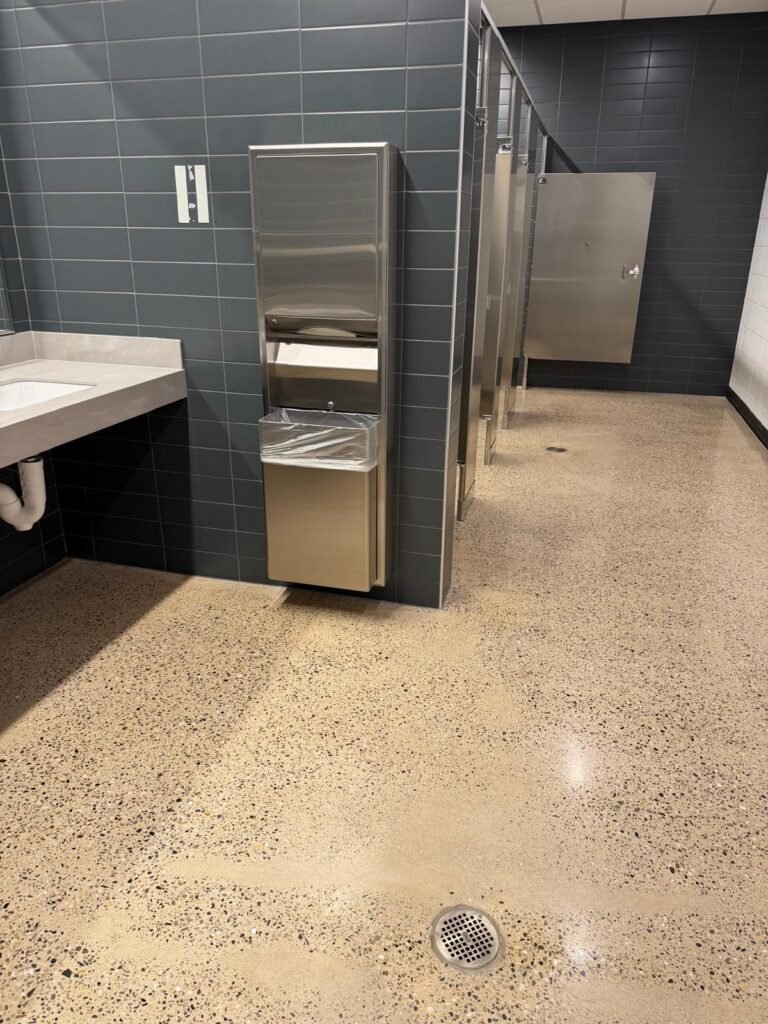
Ask which purchasing or packaging options are available for the assessed products and how they fit your storage and stock-control arrangements. Define the objective you want to review rather than promising a particular waste reduction without records. A green cleaning discussion can include how supplies are ordered, who approves replacement products and where approved materials are kept. Separate restroom consumables from cleaning products so responsibility for soap, tissue, paper towels and liners is not lost within the product-selection conversation.
6. Require approval before substitutions
A product can become unavailable or a purchasing contract can change. Agree on who reviews a proposed replacement before it is introduced. Your green cleaning specification should identify the information needed for that decision, including intended task, relevant instructions and any required claim evidence. Keep the approved product list current and share it with the people responsible for purchases and service delivery. An informal substitution can otherwise leave the site contact checking a different arrangement from the one originally discussed.
7. Check delivery against the agreed plan
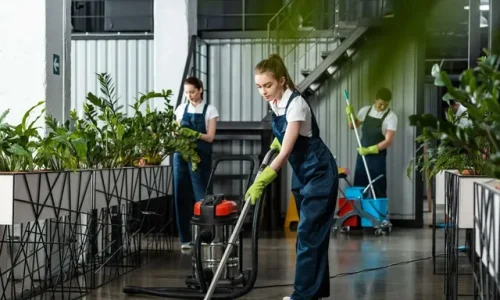
Review the actual task list, products and supplies during an early service discussion. Ask how the team receives the approved instructions and reports an exception. A green cleaning plan should be practical for the people completing the work, not only a statement in a proposal. Record any question that needs an answer and name the follow-up owner. If a requirement changes, put the revised arrangement in writing and retire superseded versions from routine use so instructions do not conflict.
Build a useful green cleaning purchasing record
For each proposed product, record its name, intended use, surface restrictions, relevant claim evidence and the person approving it. Keep the provider’s scope beside that list. Where your procurement process requires additional documentation, request and review the actual records. A green cleaning purchasing record should show what was assessed and accepted without suggesting that every company, product or method connected to the service has the same certification. Ask questions about a broad claim before repeating it in your organization’s communications.
Keep safety and use instructions available through the site’s appropriate arrangements. Do not replace them with a summary written for marketing purposes. Explain how staff can raise questions about a product, a requested change or an unavailable supply. A factual record of the task, product and concern is more useful than assuming the cause or promising a particular outcome. Building and workplace concerns should reach the appropriate responsible people alongside any cleaning-service follow-up.
Compare service proposals without assuming savings
Give each provider the same room list, opening hours, surface information and purchasing requirements. Compare the work, supplies and access assumptions as well as the monthly price. Green cleaning is not automatically cheaper or more expensive for every building; the assessed products, scope and arrangements need to be reviewed together. Ask whether consumables, initial work and periodic projects are included. Our commercial cleaning cost guide helps organize those questions before the agreement is finalized.
If environmental objectives are part of your purchasing process, decide which records you will use to review them. Keep any comparison based on your own information and clearly defined boundaries. Do not attribute a broad carbon, health or financial result to a service without appropriate evidence. A proposal can explain the work and purchasing arrangements being offered, while the organization reviews its wider objectives through the people and processes responsible for them.
Connect product preferences with ordinary office tasks
Start with reception, offices, kitchens, restrooms and other agreed shared areas. The office cleaning scope should define accessible surfaces and task frequencies whether or not a green cleaning preference is specified. Explain how papers, personal belongings and electronics are handled. Ask employees to prepare agreed surfaces before the visit. Keep additional requests subject to an approval process, and identify what staff should report between recurring service visits.
For periodic work, discuss the assessed method and materials separately. Our commercial carpet cleaning information and floor-care planning guide outline questions about scope and surface suitability. Keep product preferences beside the relevant task instead of assuming a general purchasing statement covers every specialist project. If a particular requirement cannot be met, ask the provider to explain the limitation before accepting the work or arranging a different assessment.
Green cleaning questions
Does natural mean harmless?
Do not use a broad word such as natural as a substitute for reviewing the actual product and its use instructions. Ask for the specific information supporting the claim and assess whether the product fits the task and surface. A green cleaning discussion should describe what is proposed and what has been verified. Avoid promising that a product is harmless to every person or appropriate in every setting simply because its marketing uses environmentally themed wording.
Does a product label certify the cleaning company?
A claim about a particular product does not by itself establish a separate qualification for the service provider. Ask what is being claimed and request the evidence relevant to that claim. EPA’s Safer Choice and DfE standard information explains its program context. Keep product verification and any provider credentials distinct in your purchasing record. Do not assume a company-wide certification from a product logo shown on a proposal.
What should we discuss at the first review?
Check the current task list, supply availability and approved product arrangements. Ask the site team for specific observations and verify how exceptions are reported. Use our office cleaning contract checklist to keep responsibilities and communication visible. Record any approved substitution or scope change with its start date. Make sure the provider and the people checking the service receive the same latest instructions rather than relying on an earlier proposal that no longer describes the arrangement.
How can Champion review our requirements?
Bring your room list, operating hours, known surface instructions and purchasing preferences to a complimentary facility walkthrough. Champion Facility Solutions can discuss the assessed scope and the information needed to review your green cleaning requirements. Call to discuss your Michigan property. Coverage, crew availability, product suitability and the final tasks are confirmed for the individual request before the service is scheduled.